
What steps are involved in luxury pool design and installation?
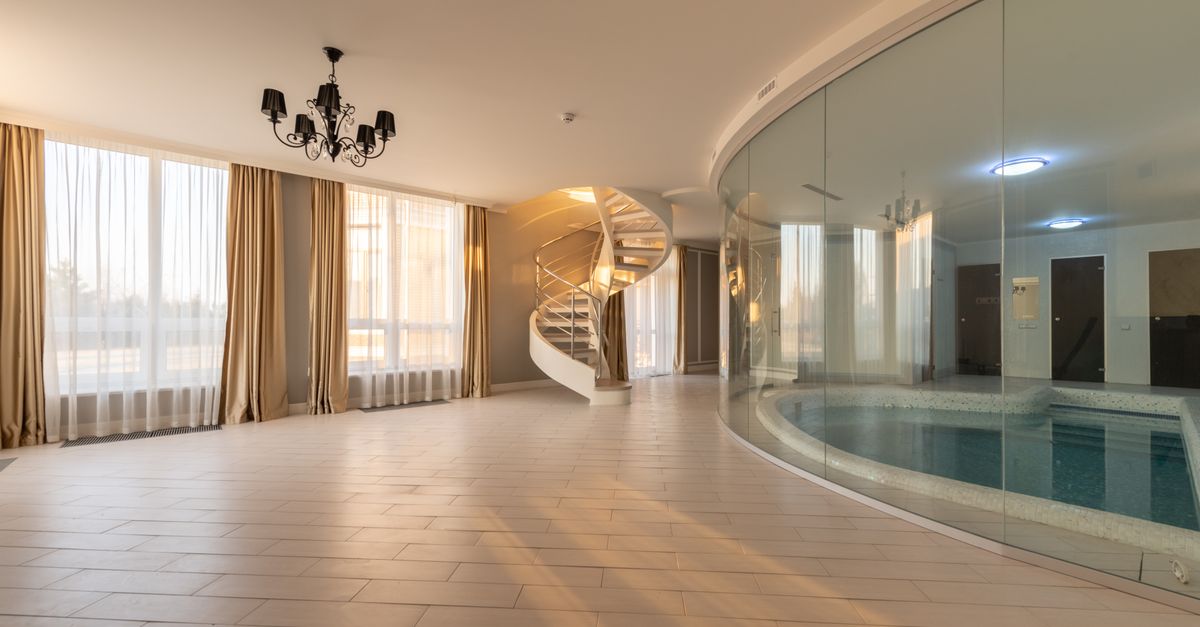
If you’re looking to add a splash of elegance to your home, the process can feel as overwhelming as it is exciting. From choosing the right type of pool to finding qualified builders and planning long‑term maintenance, each step matters. In this guide I’ll walk you through everything from luxury pool design and installation to lap pool construction, how to locate reliable pool builders near me, the nuances of custom pool designs, and finally, strategies for effective pool repair and renovation.
Assessing Your Space and Budget
The first hurdle is realistic assessment. A luxury pool isn’t just a body of water; it’s an investment that should fit your yard, lifestyle, and finances.
Key Factors to Evaluate
- Site size and topography: Measure available space and note slopes, trees, or underground utilities. A slope over 2% can complicate drainage and raise costs.
- Local zoning and permits: Verify setback requirements, depth limits, and water usage caps before drafting any plans.
- Climate considerations: Decide on heated or unheated pools based on regional temperatures and energy costs. Heating can add 10–15% to the initial budget but extends usable months.
- Budget range: Include construction ($30‑$70 per square foot for high‑end), equipment ($5,000–$12,000), landscaping ($3,000–$15,000), and a contingency (10–15%).
- Future expansion plans: Leave room for spas or lighting upgrades. A wider footprint now can avoid costly redesigns later.
After gathering these data points, draft a rough budget spreadsheet with separate tabs for construction, equipment, landscaping, and contingency. Review the totals every two weeks as the design evolves to keep the project on track.
Choosing the Right Type of Pool
Your personal usage patterns dictate whether a lap pool or a more open custom design suits you best.
Common Pool Types and Their Use Cases
- Lap Pools: Long, narrow lanes ideal for serious swimmers and cardio workouts. They fit well in smaller yards.
- Infinity Edge Pools: Create a visual illusion of water merging with the horizon—perfect for dramatic views and curb appeal.
- Lap + Spa Combos: Blend fitness with relaxation in one footprint, offering a seamless transition.
- Custom-Shape Pools: Tailored to match home architecture or landscape features. They can incorporate unique motifs like a family crest.
- Indoor Pools: Require climate control but offer year‑round use, ideal for extreme climates or multi‑family residences.
If exercise is your priority, a lap pool maximizes swim distance while minimizing footprint. For social gatherings and curb appeal, an infinity edge often becomes a focal point that elevates property value.
Finding Qualified Pool Builders Near Me
The phrase “pool builders near me” can pull up dozens of options; only a few deliver quality craftsmanship and reliable service.
Steps to Vet a Builder
- Check credentials: Look for state licensing, industry certifications (e.g., RCI), and local trade association membership.
- Review portfolios: Request before‑and‑after photos of completed luxury projects that match your desired style. Notice lighting, landscaping, and structural details.
- Read client testimonials: Focus on communication, punctuality, and post‑construction support.
- Ask about warranties: Ensure coverage for structural integrity, plumbing, and equipment for at least five years.
- Request detailed proposals: Compare scopes, timelines, payment schedules, and material specifications from at least three builders to spot discrepancies.
- Verify insurance coverage: Protect yourself with general liability and workers’ compensation policies.
A builder with a proven track record reduces risk, keeps the installation on schedule, and ensures timely updates throughout the build.
Designing Your Custom Pool
A luxury pool is an ecosystem of features that work together to create comfort, style, and functionality.
Essential Design Elements for Luxury Pools
- Shape & dimensions: Balance aesthetics with user experience. Curved edges soften transitions; straight lines emphasize geometry in modern designs.
- Depth zones: Include shallow lounging areas and deeper swim sections. A gradual slope from 3 to 6 feet improves safety by reducing sudden depth changes.
- Material selection: Choose tiles, coping, or natural stone that match your theme. Matte porcelain offers a sleek look; polished quartzite adds luxury and durability.
- Lighting strategy: Use LED strips under the waterline for ambient glow, spotlights to highlight features, and poolside fixtures for safety at night.
- Water features: Waterfalls, jets, or fountains add motion and sound. A discreet waterfall can act as a natural air conditioner by creating gentle mist.
- Decking & landscaping: Integrate pavers, plants, and fire pits to create seamless outdoor living spaces that complement the pool’s design.
A thoughtful layout not only looks great but also enhances safety and usability. For example, positioning a swim lane parallel to the house can reduce glare from windows during daylight hours, improving visibility for swimmers.
Lap Pool Construction Techniques
Precision in construction is key for performance and durability.
Construction Phases for Lap Pools
- Site preparation: Excavate with accurate depth measurements and level grading. Use a laser level or transit to ensure the slope aligns with swimming lane standards (typically 1–2%).
- Structural framing: Use stainless steel rebar or reinforced concrete to support long spans. In colder climates, add insulation boards behind the shell to reduce thermal contraction.
- Plumbing & filtration: Install high‑capacity pumps, variable speed motors, and UV or Ozone cleaners for chemical‑free water. A variable speed pump can cut energy costs by up to 40% compared with single-speed units.
- Tile installation: Choose slip‑resistant tiles that can handle repeated movement. Anti‑slip grout or textured surfaces are essential in high‑traffic areas.
- Waterproofing: Apply epoxy or polyurethane coatings for leak prevention. A double coat of waterproofing under the tile provides an extra layer of protection against seepage.
Lap pools demand a high degree of engineering precision. Improper slope alignment can cause uneven water flow, so double‑checking measurements is non‑negotiable. Installing a dedicated filtration line that bypasses the main swim lane reduces turbulence and improves lap conditions.
Installation Process Overview
The installation phase stitches together design intent with physical reality. It’s a multi‑day operation that requires coordination across trades.
Key Milestones in Pool Installation
- Excavation and grading: Remove soil, compact base layers, and ensure drainage by installing French drains or a sloping deck foundation. Soil compaction tests help prevent future settling.
- Concrete or shell formation: Pour or assemble the pool’s structural walls. For cast‑in‑place concrete pools, a reinforced cage is poured in sections to maintain uniform thickness.
- Tiling and coping: Lay tiles, set coping stones, and seal joints with high‑quality polyurethane sealant to prevent water intrusion.
- Equipment setup: Install pumps, heaters, lights, and control panels. Wiring must be routed through conduit that meets local electrical codes.
- Backflow testing & commissioning: Verify system integrity before filling. A backflow test confirms no cross‑contamination between the pool water and potable supply.
A well‑executed installation reduces the likelihood of future repairs. Builders who emphasize meticulous surface preparation pay off in reduced maintenance costs, while coordinated tile cuts with lighting fixtures save time and expense.
Finishing Touches and Aesthetics
After the core structure is complete, it’s time to turn the pool into a lifestyle statement.
Aesthetic Enhancements for Luxury Pools
- Decking materials: Pavers, natural stone, or composite options each offer different textures and maintenance requirements. Porcelain pavers provide slip resistance while matching tile patterns.
- Landscaping elements: Shade trees, succulents, and water‑sensitive plants soften the pool area and reduce evaporation. Low‑maintenance xeriscape designs can save irrigation costs.
- Outdoor living features: Fire pits, pergolas, and seating areas extend usability into cooler evenings or rainy days.
- Smart controls: Mobile apps for temperature, lighting, and maintenance schedules allow homeowners to monitor and adjust settings from their phones.
- Security measures: Fencing, alarms, and motion sensors protect children and pets while maintaining an elegant look with lattice or glass panels.
These finishing touches enhance visual appeal and usability. A well‑placed fire pit can transform the pool area into an evening gathering spot without compromising safety. Selecting low‑glare LED fixtures reduces light pollution and keeps night swimmers comfortable.
Maintenance, Repair, and Renovation Planning
A luxury pool is a living asset that requires ongoing care. Knowing when to repair or renovate can save you time and money.
Routine Maintenance Checklist
- Water chemistry: Test pH, alkalinity, and sanitizer levels daily using test strips or digital meters. Adjust chemicals within the recommended ranges: pH 7.2‑7.6, total alkalinity 80‑120 ppm.
- Filter cleaning: Backwash every two weeks; replace cartridges annually to maintain filtration efficiency.
- Equipment inspection: Check pumps, heaters, and lights monthly for noise, leaks, or electrical issues. Replace worn components before they fail.
- Surface upkeep: Scrub tiles weekly with a soft brush to prevent algae buildup. Use a gentle non‑acidic cleaner that won’t damage finishes.
- Leak detection: Monitor water usage trends for sudden increases; perform a leak test by covering the pool and checking for level drops over a 24‑hour period.
When a component fails or the pool’s appearance fades, it’s time to consider renovation. Common triggers include cracked tiles, outdated filtration systems, aging pumps, or lifestyle changes such as adding a spa. A renovation plan usually starts with a visual assessment, followed by a cost estimate and a phased approach that prioritizes safety features first.
Tips for Cost Control and Avoiding Common Mistakes
Luxury pools can quickly spiral out of budget if you’re not vigilant. Below are practical strategies to keep costs predictable.
Cost‑Saving Strategies
- Select a realistic scope: Prioritize features that align with your primary use and long‑term goals. A minimalist approach can reduce initial outlay while still delivering luxury.
- Use modular components: Pre‑finished tiles or prefabricated shells reduce labor costs and installation time, often cutting project duration by 20–30%. I’ve seen clients save 10-15% by opting for a single‑stage filtration system instead of dual stages when their usage is moderate.
- Schedule work during off‑peak seasons: Builders often offer discounts in winter months when labor demand drops. However, be mindful of weather constraints that could delay grading or concrete curing.
- Get multiple bids: Compare detailed proposals from at least three reputable builders. A transparent breakdown of materials, labor, and contingency helps you spot hidden costs early.


