
What Are the Key Factors When Choosing a Luxury Pool Design and Installation in 2026?
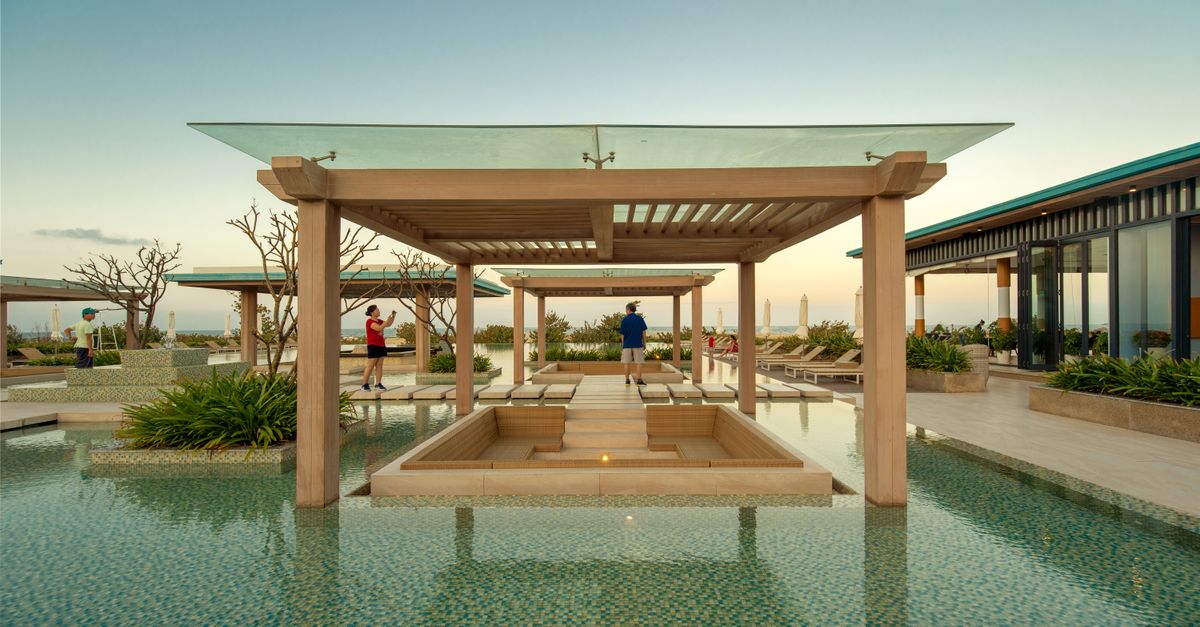
When I first decided to upgrade my backyard, “luxury pool” felt vague. Today, with resort‑style designs, modern shapes, spa add‑ons, and advanced lighting, jargon abounds. This guide breaks down each element, weighs pros and cons, and gives concrete steps for an informed decision.
In 2026, trends favor sustainability and tech integration. Homeowners prefer recycled glass tiles or low‑VOC sealants and expect smart systems that monitor water quality, energy use, and predictive maintenance. Framing your pool around these expectations creates a space that feels current and future‑proof.
1. Defining Luxury: Design, Functionality, or Both?
“Luxury” varies by person. For me, it blends aesthetics, function, and lasting value. Ask yourself:
Checklist for Luxury Definition
- Is the pool layout tailored to my lifestyle (e.g., swim lanes, lounging areas)?
- Does it incorporate high‑quality materials that resist algae and corrosion?
- Are there smart features like automated filtration or temperature control?
- Will it increase property value or simply serve a personal aesthetic?
- Is the installation process transparent with clear timelines?
Choosing a definition early narrows options, saves time, and keeps budgets realistic.
2. Resort‑Style Pools vs. Modern Pool Designs
Resort‑style pools mimic commercial resorts—deep basins, infinity edges, built‑in water features—while modern designs favor clean lines, minimalism, and outdoor integration.
Pros & Cons Comparison
- Resort‑Style: • Aesthetically striking; • Great for entertaining; • Higher installation costs due to complex structures.
- Modern: • Lower material usage; • Easier maintenance; • Flexible to fit various yard sizes.
I find resort‑style pools suit spacious backyards where a large water feature doesn't compromise landscaping; limited space favors a sleek modern design that feels luxurious through lighting and tile.
Prior to choosing, analyze sun exposure, wind, and existing landscaping; a survey shows if the plot supports a deep basin or needs a lighter footprint to prevent settling.
3. Customized Spa Features: Adding Value or Extra Work?
Built‑in spas—hot tubs, jets, or hydrotherapy corners—enhance relaxation yet add build complexity.
Key Considerations for Custom Spas
- Type of jets (continuous vs. pulsed) and their placement.
- Heat source: electric heat pump versus gas boiler.
- Seating layout—curved benches, floating loungers.
- Integration with pool circulation system to avoid pressure loss.
- Energy consumption estimates over a year.
Mis‑sized spas cause uneven water levels and higher pumping costs; ensure a detailed hydraulic plan before proceeding.
Also consider plumbing design and noise control; isolated jets reduce vibration, and a spa temperature sensor linked to home automation lets you pre‑heat jets for convenience.
4. Pool Lighting Installation: Mood, Safety, and Energy Use
Lighting transforms a day pool into an evening oasis; modern LEDs allow color changes, dimming, and app control.
What to Look for in Lighting Packages
- LED lifespan (minimum 10 years).
- Color temperature options (warm white vs. cool white).
- Remote control compatibility with home automation systems.
- Waterproof rating and depth tolerance.
- Energy consumption per hour compared to older halogen fixtures.
A common mistake is overly bright fixtures that glare on windows; I recommend a gradient—bright center lights with soft perimeter lighting—to balance visibility and ambiance.
Low‑profile LEDs cut trip hazards; dimming lowers intensity for nighttime events, and motion sensors activate lights only when needed, saving energy.
5. Cost Breakdown: From Design to Ongoing Maintenance
Luxury pools are an investment; here’s a typical 2026 cost breakdown:
Estimated Costs (USD)
- Design & Permitting: $3,000–$7,000.
- Construction Materials (concrete, tiles, coping): $15,000–$25,000.
- Custom Spa Add‑Ons: $5,000–$12,000.
- Lighting and Smart Controls: $2,500–$6,000.
- Labor & Installation: $20,000–$35,000.
- Annual Maintenance (cleaning, chemicals): $1,200–$2,400.
A higher upfront investment in efficient lighting and heat pumps cuts long‑term costs and preserves resale value.
Financing shifts budgeting; many contractors partner with banks or credit unions for low‑interest loans or multi‑year payment plans. Warranties on pumps and heaters typically cover repairs for up to five years, offering peace of mind.
6. Maintenance & Longevity: Keeping the Pool Pristine
The beauty of a luxury pool relies on disciplined care; common pitfalls include ignored filtration, poor pH balance, and neglected spa jets.
Maintenance Checklist
- Check filter pressure every 3–5 days during peak use.
- Test water chemistry weekly; adjust chlorine and pH immediately.
- Clean skimmers and drains at least once a month.
- Run the spa jets for at least 30 minutes daily to prevent stagnation.
- Inspect tiles and coping for cracks or chips quarterly.
Delaying crack repairs can force whole panel replacements—a costly avoidable expense if checked routinely.
Automated cleaners paired with smart schedules keep circulation steady; water‑quality sensors alert you to sudden pH or chlorine shifts via smartphone, enabling prompt fixes that prevent damage.
7. Common Mistakes and How to Avoid Them
Even seasoned owners err; here are the top three mistakes I see:
Top Mistakes & Prevention Tips
- Underestimating Site Preparation: Neglecting grading can cause water pooling or drainage problems.
- Skipping a Professional Hydraulics Review: Improper pump sizing leads to energy waste and uneven water distribution.
- Ignoring Energy Efficiency Options: Choosing standard heating over heat pumps increases operating costs by 30–40% annually.
Another oversight is skipping an architectural review; architects spot structural issues like deck load or utility interference that could cause costly delays later.
8. Decision Checklist: Are You Ready?
Before signing a contract, run through this final checklist:
Final Readiness Questions
- Do I have a clear budget that includes contingency funds?
- Have I selected a licensed contractor with proven luxury pool experience?
- Is the design aligned with local zoning and HOA regulations?
- Am I comfortable committing to ongoing maintenance responsibilities?
- Does the proposed layout fit my family’s daily use patterns?
If you answered “yes” to most questions, you’re on solid ground. If not, revisit earlier stages or consult a design specialist.
Post‑construction, walk through the site to verify lighting, spa jets, filtration, and document all warranties. A digital maintenance log tracks performance over time.
Key Takeaway: The true value of a luxury pool lies in combining thoughtful design with practical maintenance planning; this ensures long‑term enjoyment and property appreciation.In my resort‑style pool installs, a heat pump plus LED lighting cut operating costs by about 25% in the first three years.
What is your biggest concern when planning to install a luxury pool: cost, maintenance, or design flexibility?


