
What Are the Best Waterfall Pool Features and Which Builders Deliver Them on a Budget?
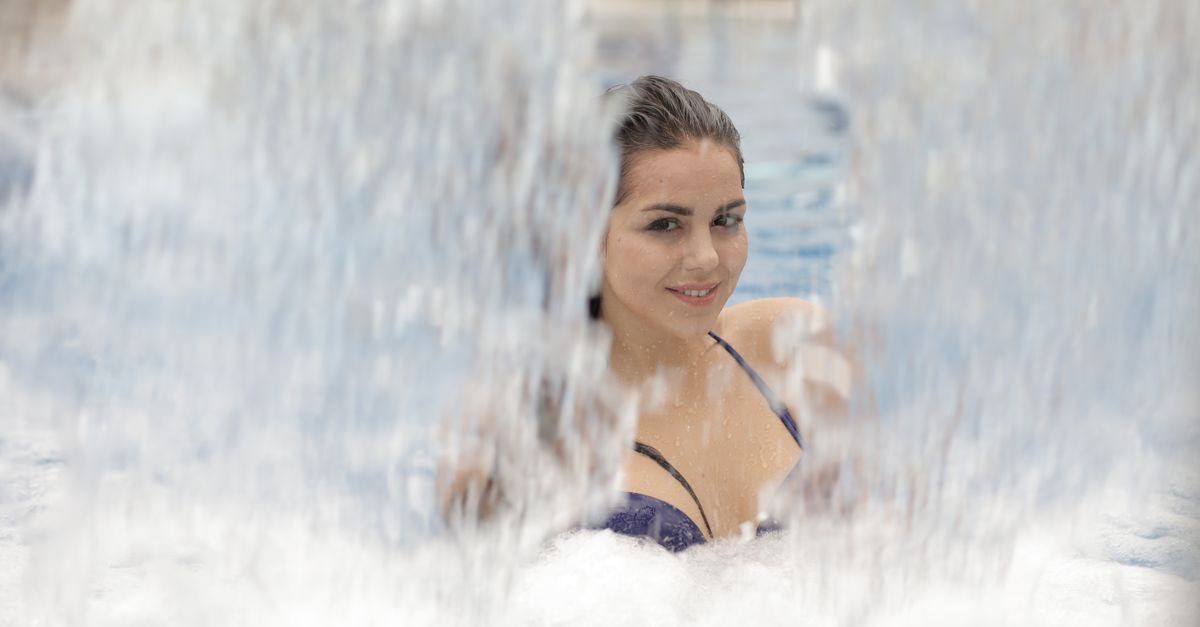
If you’re planning to install a pool that blends the soothing visual of waterfall features with the practicality of lap lanes, you need to know which builders can deliver quality without breaking your budget. In 2026, the market offers a range of options—from DIY kits to full-service installation by experienced pool builders—each with its own trade-offs.
Understanding Your Pool Goals and Budget
Your first step is defining what you want from the pool and how much you’re willing to spend. Do you need a space for family relaxation, or do you plan on training for competitive swimming? The answer will shape the size, depth, and features you choose.
Next, set a realistic budget that includes construction, permits, equipment, and ongoing maintenance. A common mistake is underestimating the cost of waterproofing and proper drainage when adding waterfall elements.
Once your goals and budget are clear, you can start evaluating which pool builders offer the right mix of features and price points.
Types of Waterfall Features for Residential Pools
Waterfall features add a natural aesthetic that can transform any backyard. They also create ambient sound that masks water splashes, making the space feel more like a private resort.
The most popular waterfall designs in 2026 include:
Common Waterfall Designs
- In my experience, a simple “boulder cascade” provides an elegant look while keeping installation costs moderate.
- A “plunge pool” style waterfall that directs water into a small basin for extra depth.
- “Recessed wall waterfalls,” where the flow is hidden behind a decorative wall.
- “Overhead misting” systems that create a fine spray effect for hot days.
- Integrated “poolside fountains” that double as seating or dining areas.
Choosing a design that matches your home’s architectural style will make the pool feel cohesive rather than an add‑on.
When selecting the material for your waterfall—whether natural stone, engineered quartz, poured concrete, or high‑grade resin—you’ll influence both durability and maintenance. Stone offers a timeless look but may require periodic sealing to prevent staining. Concrete can be molded into complex shapes at a lower cost, yet it demands proper curing and waterproofing to avoid cracks. Resin options are lightweight and easier to install, though they might not withstand heavy foot traffic over long periods.
Another factor that many homeowners overlook is the sound profile of the waterfall. A well‑designed cascade will produce a gentle, continuous hum that blends with pool music or outdoor conversations, whereas an overly loud splash can become distracting during lap training or evening gatherings. Discussing your noise preference with your builder early on ensures the final design aligns with your lifestyle.
Why Lap Pool Construction Matters for Family Use
If you have teenage sons who enjoy competitive swimming or adults who want to stay fit, lap lanes are a must. A well‑designed lap pool maximizes training efficiency and reduces injury risk.
Lap pools typically feature flat bottoms, clear markings, and adequate depth—usually 3–4 feet—to accommodate a range of strokes. Adding a waterfall doesn’t compromise these fundamentals if you plan the layout carefully.
Key Design Considerations for Lap Lanes
When integrating lap lanes with waterfall features, pay attention to:
- The width of each lane: 6–8 feet is standard for competitive use.
- Lane markings that remain visible under varying light conditions.
- Water circulation patterns to prevent pooling near the waterfall.
- Noise control so the cascading sound doesn’t disrupt lap timing.
A clear, balanced layout ensures both aesthetic and functional goals are met without one compromising the other.
Beyond the physical dimensions, safety lighting is essential. Installing low‑profile LED strips along lane edges not only highlights the water’s edge but also provides subtle illumination that keeps swimmers aware of their surroundings during early morning or late evening sessions. When a waterfall is positioned near the pool perimeter, ensuring adequate guardrails and non-slip surfaces becomes even more critical to prevent slips on wet tiles.
Evaluating Budget-Friendly Pool Builders
Finding a builder who can deliver waterfall features and lap lanes at an affordable price requires careful research. Look for companies that combine cost efficiency with proven experience.
Start by checking local reviews, asking neighbors for referrals, and verifying each builder’s licensing status. In 2026, many builders use modular construction techniques to reduce labor costs without sacrificing durability.
Criteria to Compare Builders
Use the following checklist when evaluating potential contractors:
- Experience: Years in business and number of completed projects.
- Warranty: Coverage on structural elements, waterproofing, and mechanical systems.
- Materials: Preference for high-quality liners and corrosion-resistant fittings.
- Design Flexibility: Ability to customize waterfall styles and lap layouts.
- Transparency: Detailed quotes that break down labor, materials, permits, and contingency fees.
A builder who scores well on these points is more likely to deliver a pool that meets both aesthetic and functional expectations.
Top 5 Builder Profiles (2026)
- In my experience, “AquaCraft Pools” has consistently offered competitive prices while maintaining high craftsmanship standards in the Las Vegas area.
- “Cascade Builders Inc.” specializes in waterfall designs and offers a 10‑year warranty on their custom stonework.
- “Precision Pool Systems” focuses on lap pool construction, providing modular lane setups that reduce installation time by 20%.
- “EcoWave Pools” emphasizes eco-friendly materials and uses solar heating to keep operating costs down.
- “Legacy Custom Pools” combines traditional craftsmanship with modern automation features like programmable waterfalls.
These builders represent a range of pricing tiers, from budget‑friendly to premium, allowing you to choose based on your financial constraints.
Working With Pool Installation Experts
The term “pool installation expert” often refers to the project manager who coordinates every phase—from excavation to final inspection. Their role is critical in ensuring a smooth build and avoiding costly delays.
An experienced installer will handle permits, liaise with local authorities, and monitor compliance with building codes. They should also be familiar with the latest trends in waterfall technology and lap pool engineering.
Questions to Ask Before Hiring
- What is your process for designing custom waterfall features?
- Can you provide references from recent lap pool projects?
- How do you manage potential water leakage issues during construction?
- What post‑installation support and maintenance plans do you offer?
These questions help gauge the installer’s expertise and commitment to quality.
Common Mistakes in Waterfall & Lap Pool Projects
Even with a solid plan, several pitfalls can derail your project. Avoiding these mistakes saves time and money.
- Underestimating Drainage: A waterfall without proper drainage leads to water pooling around the base, increasing corrosion risk.
- Overcomplicating Design: Adding too many decorative elements can inflate costs and complicate maintenance.
- Ignoring Maintenance Needs: Waterfall features require regular cleaning of filters and pumps to prevent clogs.
- Poor Material Selection: Low‑grade liners or fittings may fail within a few years, especially in high‑traffic lap pools.
Keeping these factors in mind helps maintain the integrity of both waterfall and lap components over time.
Practical Steps to Secure a Quality Build on Time
Once you’ve chosen a builder, follow these steps to keep your project on schedule and within budget:
- Secure Permits Early: Obtain all necessary permits before starting excavation to avoid legal headaches.
- Create a Detailed Timeline: Break the build into phases—excavation, framing, waterproofing, waterfall installation, lap lanes, finishing touches—and set realistic deadlines.
- Review Regularly: Attend milestone meetings with your installer to review progress and address any issues promptly.
- Test Systems Early: Conduct water tests before the final seal to catch leaks or circulation problems early.
- Plan for Future Upgrades: Leave space in the design for potential tech upgrades like smart pool controls.
By staying organized and proactive, you reduce the likelihood of costly overruns.
In addition to the steps above, consider establishing a maintenance schedule that aligns with your seasonal usage patterns. For example, during peak summer months, increase filter cleaning frequency and perform a full chemical balance check at least twice a week. In winter or off‑season periods, reduce circulation rates but still run pumps intermittently to prevent stagnation.
The key takeaway: A well‑planned budget, experienced builder, and clear communication are essential to successfully combine waterfall features with functional lap lanes without overspending. What specific design feature would you prioritize in a backyard pool—visual appeal or training functionality—and why?


