
What Are the Best Modern Backyard Pool Designs for Energy Efficiency?
The conversation about backyard pools often focuses on size or style, but the real question homeowners ask is how to keep a pool beautiful while minimizing operational costs. In this article I break down modern backyard pool designs that balance aesthetics with energy efficiency, and explain what makes a custom pool both functional and value‑adding for 2026.
As heating bills rise and environmental awareness grows, many prospective pool owners are looking beyond the splash to consider how a new installation will fit into their long‑term budget and carbon footprint. A well‑planned pool can provide years of enjoyment while keeping energy consumption at bay—especially when you start with the right design choices.
Choosing the Right Modern Backyard Pool Design
A modern pool design starts with a clear objective: what will you use it for? Whether your priority is family recreation, aesthetic statement, or future resale value, the design choice sets the foundation for all subsequent decisions. I’ve seen clients jump straight into a luxury infinity edge without considering how that shape will affect heating and circulation. Instead, align the pool’s geometry with its intended purpose.
Before sketching any lines, perform a quick site audit: measure sun exposure on every side of the yard, note prevailing wind patterns, and identify existing trees or structures that could shade or block light. In cooler climates, a south‑facing orientation can capture passive solar heat for several hours each day, while in hot regions you might want to position the pool so that natural breezes help evaporative cooling. The audit also informs decisions on deck layout—whether you need a wide lounging area, a shallow “sun deck,” or a compact footprint that fits within tight setbacks.
Key Design Elements to Consider
- Shape: Rectangular or L‑shaped pools are easier to heat than irregular shapes. A straight edge allows the pool heater and pump to operate in a more predictable cycle, reducing energy spikes.
- Depth variation: A shallow deck area reduces heating needs while a deeper zone adds play value. By limiting the deep end to 7–8 feet you cut water volume by roughly 25% without sacrificing swim comfort for most families.
- Edge style: Flat or sloped edges simplify maintenance and reduce water loss. Sloping edges also lower the risk of accidental falls, which is a bonus for households with children.
- Deck material: Porcelain or composite decks reflect less heat than concrete, lowering pool temperature. Composite decking can also be finished in a lighter color to further minimize absorption.
After the initial design phase, I review the site’s sun exposure. A south‑facing pool gains passive solar heating; adding a retractable shade structure can further control temperature swings during peak summer months. In addition, positioning the pool so that natural wind patterns circulate air above the surface helps evaporative cooling in hot weather and reduces the need for mechanical fans.
Energy-Efficient Pool Construction Techniques
When construction begins, the materials and systems you choose dictate long‑term energy consumption. Modern backyard pools that prioritize sustainability use a combination of low‑flow filtration, solar integration, and smart controls. Below are proven techniques I’ve implemented in over twenty residential projects.
Construction Practices for Low Energy Use
- High‑efficiency pumps: Variable speed models can cut energy usage by up to 70% compared with single‑speed units.
- Solar thermal panels: A well‑installed solar collector array reduces heating costs by 50–60% during sunny months.
- Heat‑retaining liners: Using a reflective pool liner lowers evaporative heat loss.
- Smart timers and sensors: Automated scheduling ensures the pump runs only when needed, trimming electricity usage.
- Leak detection systems: Early warning prevents unnecessary water pumping and heating.
- Proper insulation of plumbing lines: Reduces heat loss during winter cycling.
In addition, I always recommend using recycled or sustainably sourced construction materials whenever possible. Not only does this align with modern environmental standards, but it also gives the project an eco‑friendly story that appeals to future buyers.
A critical yet often overlooked step is insulating the pool walls themselves. Foam board insulation bonded to the interior shell keeps the water temperature stable and prevents cold spots that would otherwise trigger the heater more frequently. For deep pools, installing a thermal blanket over the surface during off‑season months can cut nighttime heat loss by up to 30%. When you combine these measures with a properly sized solar collector—typically 20–30% of the pool’s heating load—you create a self‑sustaining system that works harmoniously with the local climate.
Custom Pool Designs for Unique Spaces
No two backyards are identical; custom pool designs adapt to site constraints and homeowner preferences while still delivering performance. The following customization options allow flexibility without compromising efficiency.
Customization Options That Boost Value and Comfort
- Integrated spa or hot tub: Adds luxury and can share heating systems with the main pool.
- Built‑in filtration stations: Reduce pump run time by allowing direct water circulation through a dedicated filter.
- LED lighting suites: Energy‑efficient lighting enhances safety while providing mood lighting at low cost.
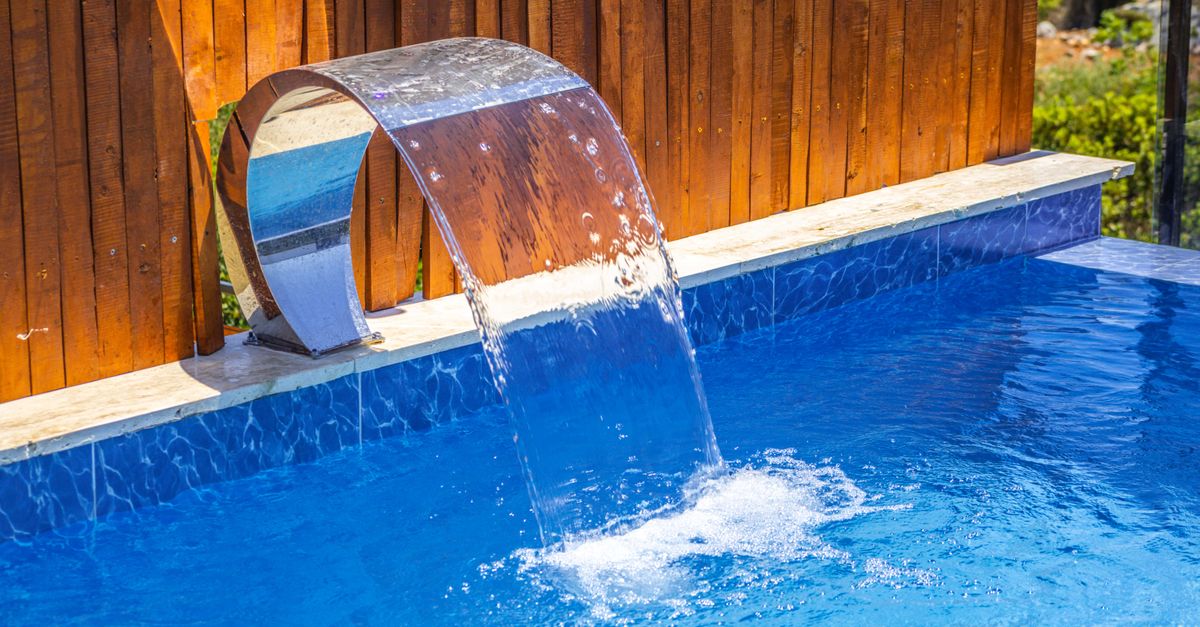
- Water feature modules (e.g., waterfalls, fountains): Designed to recycle water back into the pool instead of losing it to evaporation.
- Automated cover systems: Keep debris out and reduce heat loss when the pool is not in use.
When I design a custom pool, I model the layout digitally first. This lets me simulate sun angles, shadow patterns, and flow dynamics, ensuring that every element contributes positively to energy efficiency and user experience. For example, placing a shallow “sun deck” on one side of an L‑shaped pool maximizes passive heating while still providing a dedicated lounging area.
Another popular feature is the use of natural stone or recycled glass tiles around the waterline. These materials not only reduce the need for constant resurfacing but also provide a subtle thermal mass that helps buffer temperature swings. When you pair this with a low‑flow filtration system—such as a hybrid sand‑diatomaceous earth filter—you keep energy draw down while maintaining crystal clear water.
Large-Scale Pool Projects in Residential Settings
Some homeowners want a backyard that rivals commercial resorts—large pools with multiple zones, diving boards, or swim‑up showers. These large‑scale pool projects require careful planning to stay within budget and comply with local regulations.
Checklist for Managing Large-Scale Residential Pools
- Zoning and permit compliance: Verify setbacks, depth limits, and safety fencing requirements.
- Structural support assessment: Ensure the deck can bear heavy equipment like pumps and heaters.
- Water volume calculation: Larger pools demand higher filtration capacity; I recommend a minimum of 1.5 gallons per minute per 10,000 gallons of water.
- Energy budgeting: Estimate annual operating costs based on local climate data and chosen heating methods.
- Maintenance planning: Include a dedicated cleaning schedule to prevent algae buildup that can strain equipment.
- Safety features: Automatic pool covers, alarm systems, and non-slip surfaces are mandatory for families with children or pets.
- Future expansion slots: Design the foundation to accommodate additional elements like a second spa without major reconstruction.
Large-scale projects also benefit from modular construction techniques. Prefabricated components reduce on‑site labor time and minimize waste—an important consideration in sustainable design. When sizing a solar collector array for a 25,000‑gallon pool, I typically allocate about 20–30 square feet of panels to meet 60% of the heating load during peak summer months.
Financing large installations can be approached strategically: many homeowners split costs by installing a basic pool first and adding advanced features—such as an automated cover or a high‑efficiency pump—over subsequent years. This staged approach keeps upfront expenses manageable while still reaping long‑term savings.
Swimming Pool Upgrades That Increase Value and Comfort
If you already own a pool, upgrading it with modern technology can extend its lifespan while lowering operating costs. Below are upgrades that add functionality, improve safety, and drive up resale value.
Essential Swimming Pool Upgrades for 2026
- High‑efficiency variable speed pump replacement: Immediate energy savings.
- Solar cover or heat blanket: Reduces evaporation by up to 30% and keeps water warm during cooler nights.
- Smart pool controller integration: Enables remote monitoring via smartphone, plus programmable lighting and filtration schedules.
- LED illumination system: Provides vibrant night‑time ambiance with minimal power draw.
- Automated pool cover: Enhances safety for children and pets while decreasing heat loss.
- Water‑recirculating feature (e.g., fountain or waterfall): Adds aesthetic appeal without increasing evaporation.
When evaluating upgrades, I calculate the return on investment by comparing the cost of the upgrade against projected energy savings over a typical 10‑year ownership period. Most homeowners see a payback within five years for high‑efficiency pumps and solar covers alone. Adding a low‑flow filtration system can also cut filter replacement costs, while LED lighting reduces electricity bills during evening hours.
Another valuable addition is a pool energy audit—a diagnostic assessment that identifies inefficiencies in the existing system. An auditor will measure flow rates, check for leaks, and recommend adjustments to pump speed or heater setpoints. Following an audit, you can fine‑tune your pool’s control settings to match seasonal demand, ensuring that heating only ramps up when temperatures fall below a comfortable threshold.
How do you balance the upfront costs of an energy‑efficient pool system with long‑term savings in your home budget?Balancing upfront investment with future savings often comes down to prioritizing upgrades that deliver the quickest payback. Variable speed pumps and solar covers typically recoup their cost in 3–5 years, while more cosmetic changes—like LED lighting or a decorative cover—offer lower energy returns but enhance enjoyment. A phased approach allows you to spread costs across several fiscal years, keeping cash flow manageable.


