
The Complete Guide to Luxury Swimming Pool Design, Construction, and Safety Covers in 2026
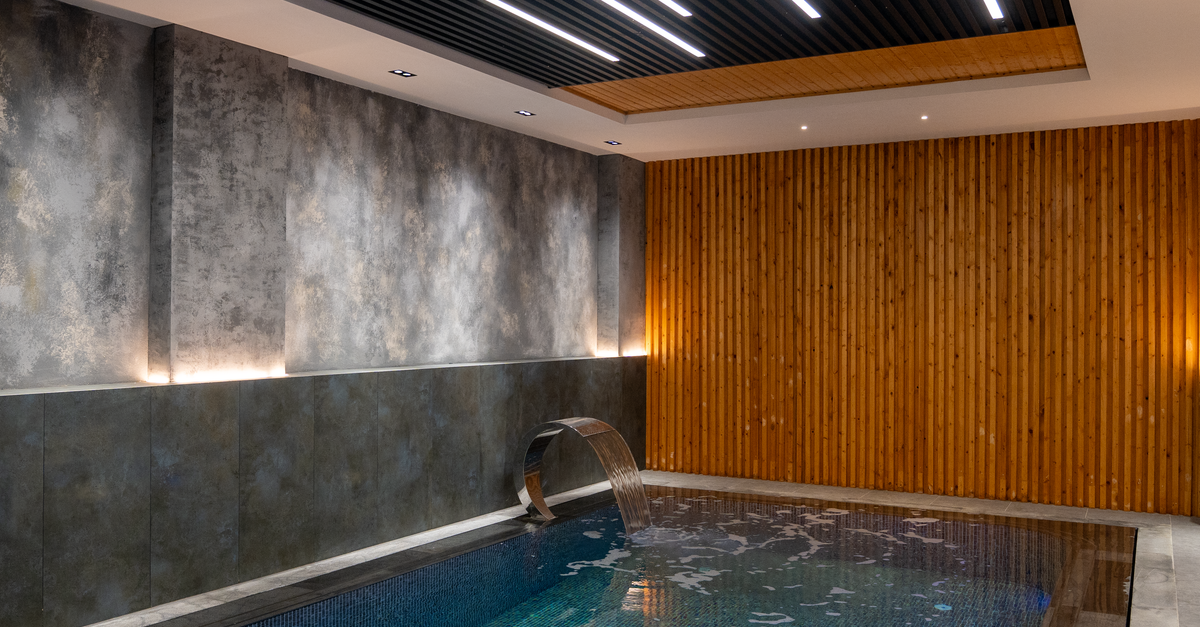
Transforming a backyard into a private oasis involves more than choosing a color. You must align design ambition with practical execution while staying within budget. This guide walks through every step—from selecting a local builder to installing a safety cover—so you can confidently realize your luxury pool vision.
Planning begins long before the first shovel hits the ground. Setting clear goals, defining scope, and understanding how each choice affects cost, maintenance, and enjoyment prevent common pitfalls and ensure lasting value.
1. Why Luxury Pools Matter
A well‑planned luxury pool elevates property value, enhances lifestyle, and creates a space for family recreation. In 2026, homeowners expect seamless integration of technology, sustainability, and aesthetic elegance. A premium pool can serve as a social hub while offering privacy and relaxation.
Beyond visual appeal, luxury pools become the centerpiece of outdoor living, influencing guest interactions and personal unwind time. They also provide therapeutic benefits—warm water reduces muscle tension, and rhythmic waves calm the mind—adding intangible value to the property.
2. Budgeting for a Luxury Pool Project
Costs vary with size, materials, and custom features. Typical Nevada luxury pools range from $120k to $250k, especially when adding smart automation or bespoke landscaping. Split your budget: construction (60–70%), design & permits (10–15%), post‑construction (20–25%). Keep a 10–15% contingency for surprises.
Request detailed line items—excavation, steel, plumbing, electrical, finishes, landscaping—to spot hidden fees early. The cheapest bid often sacrifices quality; aim for balanced price and durability.
3. Choosing the Right Pool Builder Near You
Vet local builders by checking at least three recent luxury projects and verifying references. Ask about experience with infinity edges, built‑in spas, or advanced filtration. A reputable builder offers a detailed contract covering timelines, materials, and warranties.
Key Questions to Ask Your Builder
- How do you manage design changes?
- Can you list subcontractors?
- Do you handle permits and inspections?
- What quality control measures are in place?
- Are you licensed, insured, and bonded?
Consider a design‑build model where design and construction are integrated; it streamlines communication and reduces change orders. Verify all subcontractors meet the same high standards.
4. Design Considerations: From Aesthetics to Functionality
Your pool’s design should mirror your lifestyle. For families, include shallow lounging areas and child‑safe features. For entertaining, an infinity edge overlooking a patio works well. Designers can create hidden niches—built‑in fire pits or waterfalls that double as sound systems—balancing form with function.
Site orientation maximizes natural light while minimizing glare. Add privacy screens, trellises, or strategic plantings if neighbors are nearby. In warmer climates, integrate pergolas or retractable awnings for shade without sacrificing style.
5. Materials and Features That Define Luxury
Surface finishes, lighting, and accessories set the tone. Pebble mosaics, quartz tiles, and custom stonework add texture. LED lighting transforms night scenes; a smart control panel lets you adjust temperature and light from your phone. Solar panels reduce operating costs and support sustainability.
Top Luxury Features to Consider
- Infinity or zero‑edge design
- Built‑in spa or whirlpool jets
- Custom mosaic or stone walkways
- Smart automation (temperature, lighting)
- Solar heating system
- Advanced filtration and UV sanitation
- Integrated sound system
- Outdoor kitchen adjacent to pool
- Waterfall or fountain feature
- Heated floor tiles for winter use
- Decorative lighting fixtures
Select finishes suited to your climate. Low‑gloss surfaces reduce heat absorption; choose materials rated for UV exposure and chemical resistance to maintain beauty year after year.
6. Safety First: Installing Quality Pool Covers
A safety cover protects children, pets, and valuables while easing maintenance. Smart covers can lock automatically when the pool is empty or detect spills. A multi‑layer system—a heavy canvas for daily use paired with a retractable mesh—offers both protection and convenience.
Choosing the Right Cover Type
- Static covers – simple, cost effective
- Retractable covers – convenient, higher price point
- Smart covers – integrate with home automation
- Hybrid systems – combine static and retractable features
Maintain covers by inspecting fabric for tears, cleaning mesh panels, and lubricating mechanical parts if retractable. Proper upkeep extends lifespan and keeps the pool safe.
7. Managing Construction Timeline & Communication
Construction spans 6–12 months depending on complexity. Mid‑build scope changes stall progress. Keep communication tight: bi‑weekly site visits, a shared project log, and digital tools track approvals and milestones.
Phase the build—excavation, framing, plumbing & electrical, finishes, landscaping—and set realistic milestones. A detailed Gantt chart helps anticipate delays and plan accordingly.
8. Common Mistakes Homeowners Make
Top 7 Pitfalls to Avoid
- Underestimating total cost by ignoring permits and inspections
- Selecting a builder without verified references or portfolio
- Over‑customizing without maintenance considerations
- Neglecting proper drainage around the pool area
- Skipping professional safety cover installation
- Lacking a clear contract outlining deliverables
- Ignoring local zoning and HOA restrictions
A disciplined approach keeps expectations realistic. Under‑planning for post‑construction care also erodes investment quickly; budget for chemicals, cleaning equipment, and seasonal inspections.
9. The Role of Technology in Luxury Pools
Automation is essential for efficiency and enjoyment. Smart thermostats, automatic lighting cues, and app‑controlled jets reduce manual work and allow themed experiences on demand. Confirm builders have IoT integration experience.
Modern systems monitor pH, chlorine, and temperature in real time, sending alerts if values drift. Advanced setups can predict maintenance needs based on usage patterns, preventing minor issues from becoming major repairs.
10. Post‑Construction: Maintenance & Longevity
A professional plan covers chemical balancing, filter cleaning, and seasonal inspections. Automated reminders help you stay on schedule, extending finishes and systems’ life.
Seasonal tasks vary by region. In winter, cover the pool, add antifreeze to plumbing lines if temperatures drop below freezing, and inspect solar panels for snow. During summer, skim weekly and deep‑clean filtration units bi‑weekly. A maintenance log documents care history—a valuable asset when selling.
11. Sustainable Practices for Modern Pools
Energy consumption is significant. Solar panels, variable‑speed pumps, and rainwater harvesting reduce impact and costs. Integrating these features during construction is more cost‑effective than retrofitting later.
A well‑designed system often includes a heat‑exchanger that captures waste heat from HVAC units for pool heating. Biodegradable chemicals and low‑VOC finishes further lower the ecological footprint. Opt for recycled content when choosing materials—many tile manufacturers now offer reclaimed glass or steel products.
12. Final Checklist Before Hitting the Water
- All permits approved and inspections passed
- Contract signed with clear scope and payment schedule
- Design drawings verified against site conditions
- Safety cover installed and tested
- Smart automation fully integrated
- Maintenance plan established and scheduled
- Emergency exits and signage meet local codes
- Drainage system checked for standing water outside the pool area
- All electrical connections meet safety standards and are labeled
- First cleaning cycle completed and water clarity meets expectations
When I saw an infinity edge overlooking a desert sunset, I realized the right design transforms more than a backyard—it becomes a personal sanctuary.
What’s the single feature you’d prioritize for your luxury pool, and why?


