
Lap Pools vs. Custom Waterfalls: Which Is Best for Your Backyard?
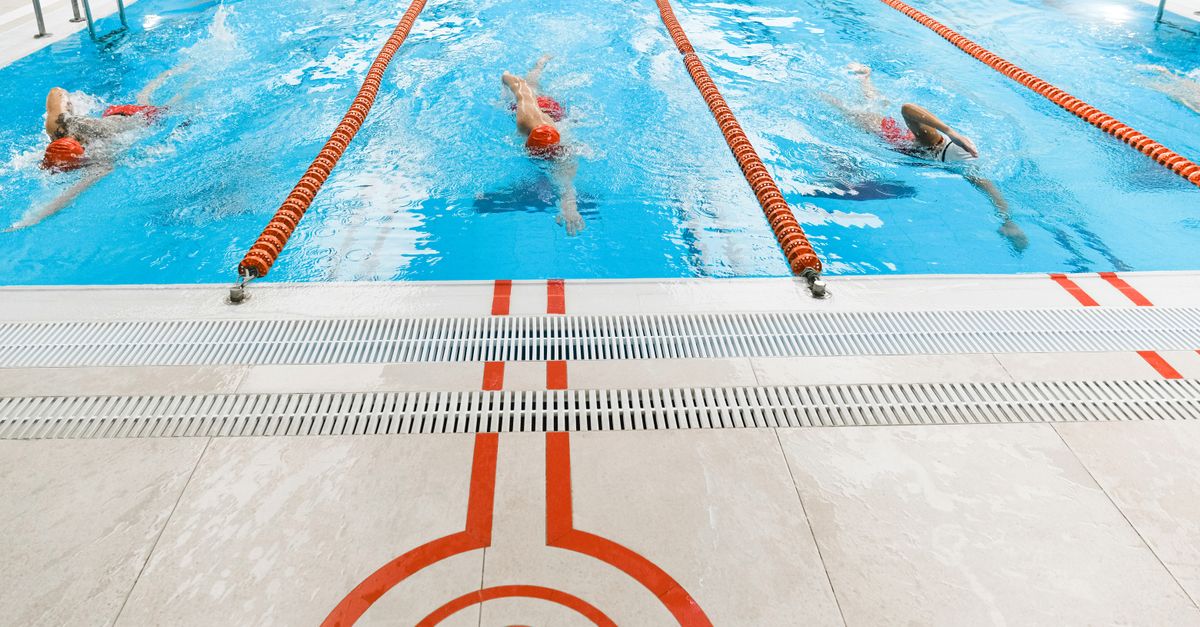
I’ve spent more than a decade turning backyard ideas into reality, and one of the most common crossroads I see is between a lap pool and a custom waterfall. Both can elevate a home’s value and lifestyle, but they serve different purposes and come with distinct trade‑offs. Below I break down what matters most—your goals, cost, maintenance, sustainability, and warranty—so you can make an informed choice that fits your backyard in 2026.
1. Define Your Primary Goal
Before you even look at a builder’s portfolio, ask yourself: What do I want from this project? The answer will filter every other decision. A lap pool is typically about exercise, swimming efficiency, and a clean aesthetic. Custom waterfalls aim for visual drama, ambient sound, and a sense of luxury.
In my experience, homeowners often overlook the “why” until after they’ve committed to a design. That gap leads to budget overruns or dissatisfaction down the line.
Key Goal Categories
- Exercise & fitness (lap pool)
- Aesthetic impact & home value (waterfall)
- Water conservation & eco‑impact
- Maintenance workload and cost
- Neighborhood compatibility and HOA rules
- Future resale potential
Take a moment to rank these priorities. If fitness tops the list, a lap pool is likely the better fit; if you’re looking for a statement piece, a waterfall might win out.
2. Lap Pool Construction – What It Means for You
A lap pool is a narrow, elongated structure designed for continuous swimming. From a construction standpoint it’s straightforward: concrete or vinyl liner, simple filtration, and minimal surrounding features.
The advantage lies in predictability—costs are easier to estimate, and the layout usually requires less space than an elaborate waterfall system.
Typical dimensions range from 25 to 30 feet in length for a single lane lap pool. The width is often only 8–10 feet, which keeps the overall footprint modest while still allowing full-body strokes. Most builders also include safety fencing or a low‑profile barrier that meets local code requirements, ensuring children and pets stay safely away from the water.
Lap Pool Pros & Cons
- Pros: Lower initial cost, quick installation, low maintenance, great for daily workouts.
- Cons: Limited aesthetic appeal, may not boost home value as much as a custom feature, can feel clinical.
- Requires a dedicated pool deck or surrounding landscaping to maximize usability.
- Water recirculation is simpler but still needs regular chemical balancing.
- Space constraints: need at least 25–30 feet in length for a functional lap lane.
Choosing the right liner material—vinyl, fiberglass, or concrete—also impacts longevity and comfort. In my experience, vinyl liners are cost‑effective but can develop seams over time; concrete offers durability but starts out pricey.
3. Custom Waterfalls – Enhancing Landscape & Sound
A custom waterfall is more than a water feature; it’s a focal point that blends engineering with art. It often includes stonework, lighting, and sometimes integrated pools or spas.
Because the design is highly individualized, the construction process involves multiple trades—stone masons, electricians, and hydro‑engineers—making it inherently more complex than a lap pool.
When you walk into a backyard with a cascading waterfall, the first thing that hits you is the sound—a natural soundtrack that can mask neighborhood noise or create a private oasis. Many homeowners report feeling calmer after spending time near running water, which adds to the overall wellness value of the space.
Waterfall Design Elements
- Stone or concrete tiers for visual depth.
- Integrated pool basin for swimming or lounging.
- LED lighting to create ambience at night.
- Solar‑powered pumps for energy efficiency.
- Rainwater capture systems for sustainability.
- Custom waterfalls can incorporate a small plunge pool or hot tub.
The payoff is high—both in terms of aesthetic value and the soothing sound of cascading water. In my experience, a well‑designed waterfall becomes a conversation starter at gatherings and often increases property appeal significantly.
4. Eco‑Conscious Builders – Sustainability in Every Step
Whether you’re building a lap pool or a waterfall, choosing an eco‑conscious builder can reduce environmental impact and save money over time. Look for builders who specialize in green construction practices and are transparent about their methods.
Sustainable Building Practices to Ask For
- Use of recycled or locally sourced materials (e.g., reclaimed stone, low‑VOC finishes).
- Installation of solar or wind energy systems for pump operation.
- Water‑efficient pumps and filtration with variable speed motors.
- Incorporation of rainwater harvesting or greywater recycling.
- Design for passive cooling—orientation, shading, and natural ventilation.
- Comprehensive waste management plan during construction.
Eco‑conscious builders often provide a detailed sustainability report. In my experience, these projects may start at a slightly higher price but deliver measurable savings in utility bills and maintenance over the first decade.
5. Cost, Maintenance, & ROI Comparison
The financial picture is a major differentiator. While lap pools generally have lower upfront costs, custom waterfalls can offer higher long‑term return on investment (ROI) if they’re positioned as a luxury amenity that attracts buyers.
Maintenance also varies: lap pools require regular chemical balancing and cleaning; waterfalls add the need for pump upkeep, stone cleaning, and potential wildlife management.
Key takeaway: The best choice is not always the cheaper option—evaluate long‑term operating costs and resale impact.Estimated Cost Breakdown (2026)
- Lap Pool: $20,000–$35,000 for a basic concrete or vinyl model; add a deck or spa for an extra $5,000–$10,000.
- Custom Waterfall: $30,000–$60,000 depending on complexity; integrated pool basins push the upper end.
- Sustainable Features: Solar pump systems add $3,000–$7,000 but cut energy bills by 25‑40% annually.
- Maintenance: Lap pools: $200–$400/month for chemicals and cleaning; waterfalls: $300–$600/month for pumps, stone care, and water quality.
- ROI: Custom features can increase home value by 3‑5%; lap pools typically add 1‑2% if the homeowner is active.
When budgeting, factor in installation time—lap pools usually take 4–6 weeks; waterfalls often require 8–12 weeks due to stonework and custom plumbing. A longer build can also affect seasonal usage: a lap pool might be ready for early summer swim, while a waterfall may finish after peak season.
6. Warranty & Builder Evaluation – Protecting Your Investment
A solid warranty is a builder’s promise that the work will stand the test of time. Look for comprehensive coverage that includes structural integrity, plumbing, and electrical systems.
In my experience, builders who provide a 10‑year structural warranty and a 5‑year workmanship warranty tend to be more reliable. Verify what’s covered: does it include pump failures? Stone cracking? Concrete settling?
Warranty Checklist
- Structural integrity of concrete or stone components.
- Plumbing system leaks or blockages.
- Electrical installations for pumps, lights, and safety systems.
- Surface finish—sealants and coatings (especially on vinyl liners).
- Warranty duration and claim process details.
- Availability of local service technicians for repairs.
When evaluating builders, ask these questions: How many years have you been in business? Can you provide client references with similar projects? What is your approach to quality control during construction? In my experience, clear answers and documented processes correlate strongly with fewer post‑construction headaches.
7. Final Decision – A Practical Checklist
Use this checklist at the end of your research phase to ensure you haven’t missed a critical factor. Cross off each item as you confirm it.
- Primary goal aligns with lap pool or waterfall design.
- Builder offers eco‑conscious practices and sustainability documentation.
- Cost estimates include all materials, labor, permits, and optional features.
- Maintenance expectations match your time and budget constraints.
- Warranty covers structural, plumbing, electrical, and surface finishes for a minimum of 5–10 years.
- Builder has verifiable references for similar projects.
- You have a clear timeline that fits your schedule.
Once you tick all boxes, you’ll be positioned to sign a contract with confidence. Remember: the best pool solution is one that satisfies your lifestyle now and preserves value for years ahead.
What primary factor—exercise, aesthetics, or sustainability—has guided your decision between a lap pool and a custom waterfall?


