
Is Fiberglass Pool Installation Worth It for Modern Home Pools?
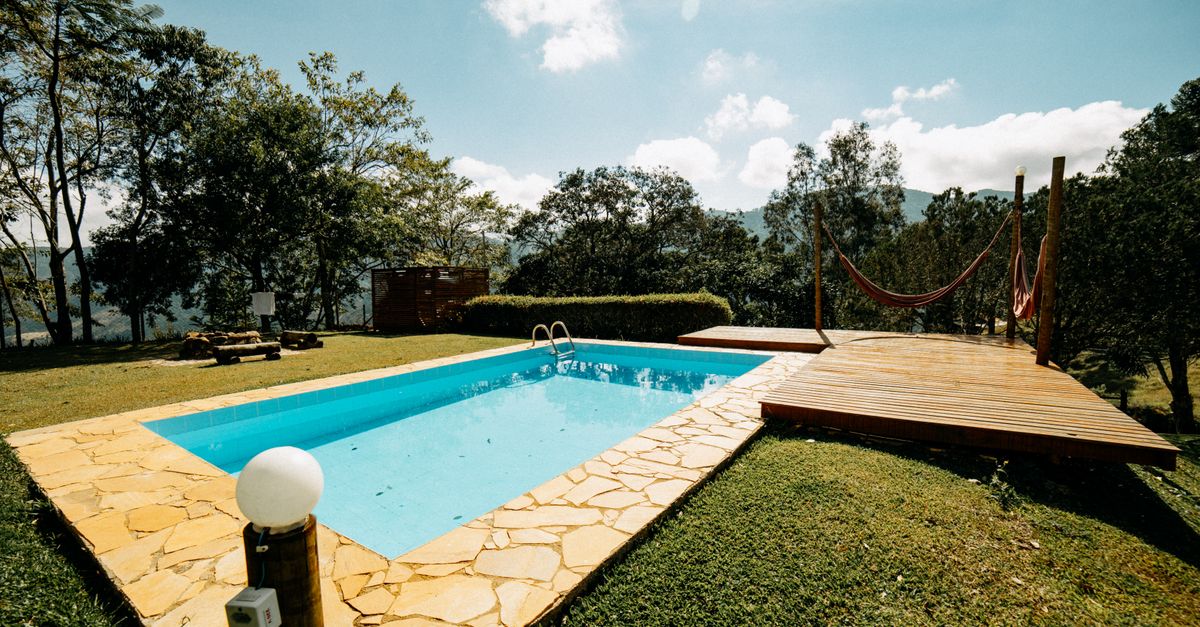
Choosing a new swimming pool is a major investment that affects your home’s value, daily enjoyment, and maintenance routine. In 2026, fiberglass pool installation remains a popular option among homeowners seeking durability, lower upkeep, and quick turnaround. This article breaks down the economics, customization possibilities, and practical considerations so you can decide whether fiberglass fits your needs.
What Is Fiberglass Pool Installation?
Fiberglass pools are pre‑manufactured shells made from a composite of glass fibers, resin, and polyurethane foam. The shell is delivered to your site as a single unit—often the size of a small truck—and installed in a shallow pit. Once positioned, it’s sealed with a waterproof membrane, filled with water, and finished with tiles or vinyl. Because the pool arrives ready‑to‑use, installation typically takes 2–3 days compared to weeks for concrete or vinyl liners.
During manufacturing, the shell is poured into a mold that has already been coated with a release agent. Once the resin cures, the mold opens and the finished shell emerges with a smooth, seamless surface. The factory finishes often include built‑in steps, integrated spa jets, or even pre‑painted colors, allowing for a wide range of aesthetic options without on‑site labor.
Key Advantages of Fiberglass Pools
- Speed: Installation time is measured in days rather than weeks.
- Durability: Resistant to cracks, algae, and chemical corrosion.
- Low Maintenance: Smooth surface requires fewer chemicals and less cleaning.
- Energy Efficiency: The shell’s thermal mass reduces heating costs.
- Custom Shapes: Manufacturers offer a range of pre‑designed sizes, though custom orders are available for unique footprints.
The quick installation is especially appealing if you plan to use the pool before the next season or want minimal disruption during construction. Additionally, because fiberglass does not rely on poured concrete, there’s less chance of uneven settling and fewer structural adjustments once the shell has been placed.
Cost Breakdown and ROI
Understanding the full cost of a fiberglass pool helps you evaluate its return on investment (ROI). Below are typical price ranges for 2026 based on size, customization, and site conditions. All figures exclude labor unless noted.
Typical Cost Components
- Pool Shell: $12–$18 per square foot of surface area.
- Installation Labor: $2,500–$5,000 depending on site complexity.
- Decking & Surrounds: $10–$30 per square foot for concrete or composite decks.
- Waterproofing & Sealing: $1,200–$3,000.
- Tiles, Lighting, and Equipment: $5,000–$15,000 for mid‑range finishes.
- Ongoing Maintenance (annual): $500–$1,200 for chemicals, cleaning, and inspections.
For a standard 20’×40’ pool, total upfront costs typically range from $45,000 to $75,000. While higher than the average concrete pool ($35,000–$55,000), fiberglass offers lower long‑term maintenance, potentially yielding net savings of 10–15% over a 10‑year period.
To illustrate, consider this simplified ROI calculation: a concrete pool might cost $50,000 upfront and require $1,200 annually in maintenance, totaling $62,000 over ten years. A fiberglass pool at $60,000 with $700 annual maintenance totals $67,000—only $5,000 more but with less labor during the first season and fewer repairs due to its resistant surface.
The bottom line: Fiberglass pools are a premium product with upfront costs above concrete, but their durability and low upkeep often justify the expense for homeowners who value time and convenience.Custom Pool Shapes and Sizes
Unlike traditional poured‑in‑place designs that require molds and multiple steps, fiberglass manufacturers provide a catalog of pre‑designed footprints. In 2026, the most popular custom options include:
- Rectangular Classic – 16’×30’, 20’×40’, 22’×45’.
- Oval & Circular – 18’ diameter, 24’ diameter.
- Infinity Edge – seamless waterline with a deck overhang.
- Lap & Swim Lanes – built‑in lane markings for fitness enthusiasts.
If none of these fits your yard, many manufacturers now offer custom orders that involve 3D modeling and a tailored fabrication process. Customization typically adds 10–15% to the shell cost but can create a truly unique splash in your landscape. The design phase often requires two to four weeks for the manufacturer to produce a final mold, and an additional week on site for level grading before the shell is lowered.
Comparing Fiberglass to Other Materials
Deciding between fiberglass, concrete, vinyl liner, or even inflatable pools depends on budget, aesthetics, and long‑term expectations. Below is a practical comparison focused on the most common factors:
| Feature | Fiberglass | Concrete | Vinyl Liner |
|---|---|---|---|
| Installation Time | 2–3 days | 4–6 weeks | 1–2 weeks |
| Maintenance Frequency | Monthly | Quarterly to yearly | Weekly |
| Durability (Years) | 25–30 | 40+ | 10–15 |
| Cost Range (2026) | $45k–$75k | $35k–$55k | $20k–$35k |
| Aesthetic Flexibility | Limited to pre‑designed shapes | Full custom design | Custom shape, limited finish options |
| Energy Efficiency | High (thermal mass) | Low (requires heating) | Medium |
| Noise During Construction | Minimal (no concrete pouring) | Significant (mixing, curing) | Moderate (assembly of liner) |
| Resist Cracking | Excellent (fiber reinforced) | High but susceptible to foundation shifts | Low (fabric can tear) |
If you prioritize speed and low maintenance over ultimate customization, fiberglass is the clear winner. Concrete offers maximum design freedom but demands a longer construction period and higher upfront labor. Vinyl liners sit in between: cheaper and faster than concrete, yet require more frequent replacement.
Financing Options for Fiberglass Pools
Because fiberglass pools can carry a higher sticker price than vinyl or even some concrete options, many homeowners explore financing to spread the cost over time. Common approaches include:
- Home Equity Loans or Lines of Credit (HELOC): Leverage existing equity for lower interest rates and flexible repayment terms.
- Dedicated Pool Financing: Some builders partner with lenders to offer 5‑ to 10‑year plans, often with promotional low‑rate periods.
Suitable for smaller upgrades (e.g., adding a spa jet) but usually carry higher interest rates and shorter repayment windows.
When evaluating financing, consider the total cost of borrowing—interest, fees, and potential pre‑payment penalties. A 5% annual rate on a $60,000 pool over seven years can add roughly $10,000 in interest; however, if you plan to stay in your home for at least that duration, the upfront savings may outweigh the extra cost.
Choosing the Right Indoor Pool Builder
Even though fiberglass pools are pre‑made, selecting a reputable builder is crucial to ensure proper installation, permits, and post‑install support. Here’s what I look for when vetting indoor pool builders:
- Certification & Licensing: Verify state licensing, insurance, and any specialty certifications (e.g., ANSI).
- Experience with Fiberglass: Ask how many fiberglass installations they’ve completed; 50+ projects is a good benchmark.
- Warranty Coverage: A builder‑provided warranty on workmanship combined with the manufacturer’s guarantee on the shell.
- Transparent Pricing: Detailed estimates that itemize labor, materials, permits, and contingencies.
- Client Testimonials & Portfolio: Look for before/after photos and reviews from previous homeowners.
Because indoor pools often require additional structural work—like reinforced foundations or HVAC integration—a builder experienced in multi‑use spaces can save you unexpected costs later. Verify that the contractor’s team includes a licensed engineer if your design involves complex load calculations or seismic considerations.
Common Mistakes and How to Avoid Them
Even with a solid plan, homeowners sometimes fall into pitfalls that erode the benefits of fiberglass pools. Here are five common errors and practical fixes:
- Underestimating Site Preparation: Fiberglass must sit on a level, clean concrete slab. Skipping proper grading can cause leaks. Fix: Use laser leveling tools to achieve a 1/8” slope away from the shell.
- Ignoring Drainage: Poor drainage around the pool leads to water pooling, damaging the shell’s sealant. Fix: Install French drains or a sloped perimeter berm during excavation.
- Skipping Proper Waterproofing: A faulty membrane can allow moisture intrusion; always use a certified waterproofing product. Fix: Apply a two‑coat polyurethane barrier under the shell and seal all seams with manufacturer-approved tape.
- Overlooking Energy Efficiency: Installing an energy‑efficient heater or solar cover maximizes the thermal benefits of fiberglass. Fix: Pair the pool with a variable‑speed heat pump and a high‑reflectivity cover to cut heating costs by up to 25%.
- <Neglecting Regular Inspections: Annual inspections catch early signs of wear, preventing costly repairs later. Fix: Schedule an inspection every fall and spring with a certified pool technician.
Planning with a builder who checks each of these boxes can avoid headaches and preserve your investment.
Maintenance and Longevity
A well‑maintained fiberglass pool can last 25–30 years. Key maintenance steps include:
- Water Balance: Maintain pH 7.4–7.6, alkalinity 80–120 ppm, calcium hardness 200–400 ppm.
- Filtration: Run the filter 8–12 hours daily during peak use; change cartridges every 3–5 months.
- Cleaning: Skim debris weekly, brush walls monthly to prevent algae.
- Cover Use: Keep a high‑quality cover on for at least 6 nights per week to reduce evaporation and keep the surface clean.
- Chemical Management: Use a shock treatment once a month and maintain chlorine levels between 1–3 ppm. Because the fiberglass shell is less porous, you’ll often spend less on chemicals compared to concrete.
These steps keep the shell’s surface smooth, reduce chemical usage, and extend the pool’s life. In my experience, homeowners who follow this routine spend less than half the annual maintenance cost of a concrete pool.
In my experience, installing a fiberglass pool during a spring renovation saved me three weeks of construction downtime that I could use to teach Ethan chess strategies while we waited for the water to fill.Environmental Impact and Sustainability
Fiberglass pools are often considered more environmentally friendly than poured concrete because they use less raw material per square foot and produce fewer emissions during manufacturing. Additionally, the smooth surface reduces the need for harsh cleaning chemicals, further lowering the environmental footprint. If sustainability is a priority, look for manufacturers that source recycled glass fibers or use low‑VOC resins.
Finally, consider installing a solar cover or a renewable energy heat pump to maximize your green credentials and reduce ongoing utility bills.
Ultimately, the decision hinges on your priorities: speed, durability, and low maintenance favor fiberglass; design freedom and potentially lower upfront costs lean toward concrete. If you’re ready to invest in a system that delivers hassle‑free enjoyment for decades, fiberglass is worth the premium.
What challenges have you faced when choosing a pool material, and how did you resolve them?


