
How to choose the right custom outdoor pool space for your backyard
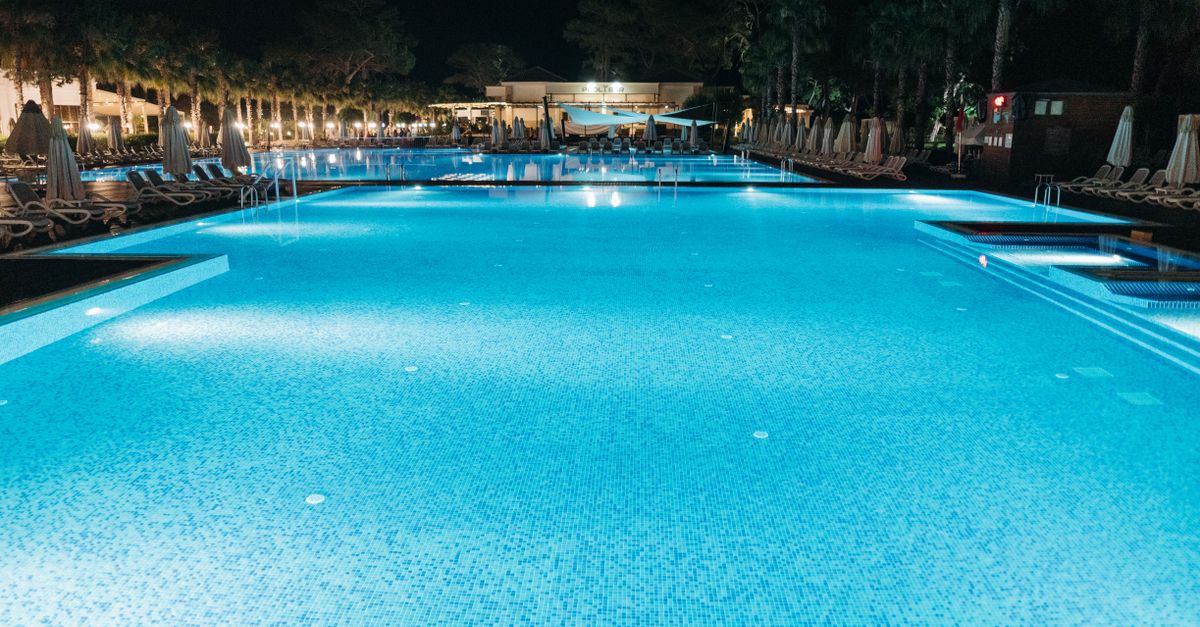
The decision to install a custom outdoor pool is more than an aesthetic upgrade; it’s an investment that shapes how you use your property, the value you add, and the lifestyle you enjoy. In 2026, homeowners can tailor their pools with advanced materials, integrated spa features, and sustainable energy solutions that were unimaginable just a decade ago. This guide walks through every step of selecting a custom pool solution, from design considerations to working with professional contractors and choosing green power options.
Defining Custom Outdoor Pool Spaces
A custom outdoor pool space is any back‑yard water feature designed to fit the unique dimensions, terrain, and functional needs of a property. Unlike prefab pools, these projects allow you to control shape, depth, finish, landscaping integration, and optional features such as waterfalls or heated spas. The goal is to create an environment that feels like an extension of your home rather than an afterthought.
Key Attributes That Differentiate Custom Spaces
- Site‑specific footprint tailored to yard shape and sun exposure
- Integrated landscaping for privacy, shade, and aesthetic harmony
- Custom water features (lifts, jets, waterfalls) that enhance ambience
- Adaptability for future additions such as a swim spa or hot tub
- Compliance with local zoning, permitting, and safety regulations
When you approach this phase, ask yourself what the pool will primarily serve: recreation, family bonding, health workouts, or entertaining. The answer drives every subsequent decision.
Key Design Factors for Your Custom Pool Solution
Designing a custom pool is an exercise in balancing form and function. Start by evaluating your yard’s topography—sloped, flat, or uneven—and the amount of direct sunlight throughout the day. These factors influence not only aesthetics but also energy use and maintenance.
Essential Design Considerations
- Sun orientation: north‑south alignment to reduce heat loss
- Water depth zones for swimming, lounging, and children’s play
- Edge styling (cliff, wavy, flat) that complements surrounding architecture
- Surrounding patio or deck materials that integrate with the pool finish
- Accessibility features like ramps or non‑slip surfaces for safety
By prioritizing these aspects early, you avoid costly rework and ensure your final design meets both lifestyle and budgetary goals.
Selecting a Custom Pool Solution: In‑Ground vs. Above Ground
The market offers two broad categories of custom solutions: in‑ground systems that embed the pool into the earth, and above‑ground structures that sit on top of a foundation. Each has distinct advantages and trade‑offs.
Comparing In‑Ground and Above‑Ground Options
- In‑Ground: Longer lifespan, higher resale value, seamless integration with landscaping.
- Above‑Ground: Lower upfront cost, faster installation, easier relocation.
- Material Choices: Fiberglass, vinyl liner, or concrete for in‑ground; steel or aluminum frames for above‑ground.
- Customization: Shape and depth more flexible with in‑ground; limited to pre‑designed footprints with above‑ground.
- Maintenance: In‑ground requires professional cleaning kits; above‑ground often easier to access.
In my experience, homeowners who prioritize long‑term value and aesthetic integration lean toward in‑ground pools, while those on a tighter budget or with temporary needs opt for above‑ground models. I’ve guided clients through both pathways, noting that the upfront savings of an above‑ground pool can be offset by higher annual maintenance costs.
Integrating Pool and Spa Combos
A pool and spa combo merges a swimming area with a heated spa section, delivering the best of both worlds. These systems are ideal for families who want to relax after exercise or entertain guests with a splash‑and‑squeeze experience.
Types of Pool‑Spa Combos
- Split‑pool design: separate but connected zones within one structure.
- Hybrid spa pool: a single body that transitions from shallow to deep.
- Modular units: add-on spas that attach to existing pools.
- In‑situ spa jets: built into the pool floor or walls for targeted massage.
- Waterfall entry: spa entrance that flows directly over a waterfall feature.
Choosing the right combo involves assessing your family’s usage patterns. A split design works well if you host parties, while a hybrid might suit those who prefer a single, continuous water experience. I’ve seen clients appreciate the flexibility of modular units when they plan to upgrade or relocate their pool in the future.
Working with Professional Pool Contractors
A successful custom pool project hinges on selecting a contractor who understands both the technical aspects and your personal vision. The right professional will guide you through permitting, design refinement, construction, and post‑installation support.
Checklist for Choosing a Contractor
- Licensed and bonded in your state with proven local experience.
- Portfolio showcasing similar custom projects and green energy integrations.
- Transparent pricing structure with itemized estimates.
- Clear communication plan: milestones, progress photos, and decision points.
- Warranty coverage that includes structural, mechanical, and electrical components.
In my experience, the most reliable contractors provide a written scope of work before any excavation begins. I’ve found that early site visits help uncover potential issues such as underground utilities or soil instability, saving time and money later.
Adopting Green Energy Pool Systems
Energy consumption is a major operational cost for pools. Fortunately, 2026 offers several green options that reduce both utility bills and environmental impact.
Key Components of Green Energy Pools
- Solar thermal panels: heat water using sun’s energy.
- Heat pumps: lift ambient heat to warm pool efficiently.
- LED lighting systems with motion sensors.
- Variable speed pumps that adjust flow based on usage patterns.
- Smart controllers for remote monitoring and automated scheduling.
Integrating these components early in the design phase ensures proper sizing, placement, and compatibility. I’ve partnered with contractors who specialize in solar‑powered pools; they often incorporate photovoltaic panels into the surrounding deck to power both pool equipment and home appliances simultaneously.
Budgeting and Cost Breakdown
Understanding the financial scope of a custom pool project helps you avoid surprises. Costs vary by size, materials, features, and location but can generally be broken down into several categories.
Typical Cost Components (USD)
- Site preparation & excavation: $5,000–$12,000
- Pools & spas (materials + labor): $15,000–$45,000
- Landscape & decking: $8,000–$20,000
- Electrical & plumbing upgrades: $3,000–$10,000
- Green energy systems (solar/heat pump): $4,000–$12,000
- Permits & inspections: $1,500–$4,000
- Contingency reserve (10–15% of total): $3,000–$8,000
Financing options include home equity loans, dedicated pool loans, or leasing equipment. I recommend building a 12‑month buffer for unforeseen expenses; most homeowners underestimate the cost of utility upgrades required to support high‑performance systems.
Common Mistakes to Avoid
Even seasoned owners can fall into pitfalls that inflate costs or reduce enjoyment. Awareness prevents costly rework and ensures long‑term satisfaction.
Top Errors in Custom Pool Projects
- Skipping a thorough soil test before excavation.
- Overlooking local building codes related to setbacks and safety barriers.
- Choosing the wrong finish for climate conditions (e.g., using vinyl in high‑temperature zones).
- Underestimating maintenance requirements for green systems.
- Neglecting a backup plan for power outages affecting pool pumps or heaters.
By addressing these issues early—through detailed planning, professional advice, and realistic budgeting—you preserve both your investment and peace of mind.
Key takeaway: The most successful custom outdoor pool projects start with a clear understanding of design intent, contractor qualifications, and sustainable energy options, then translate those priorities into a meticulous budget and construction plan.Planning a custom pool is a complex but rewarding endeavor that blends creativity, engineering, and environmental stewardship. By following the steps above—defining your space, selecting the right solution, integrating spa features, hiring qualified professionals, adopting green energy systems, budgeting accurately, and avoiding common mistakes—you position yourself for a backyard oasis that lasts decades.
What is the single most critical factor you consider when choosing a contractor for a custom pool project?


