
How to Choose a Budget‑Friendly Pool Builder for Your Home in 2026
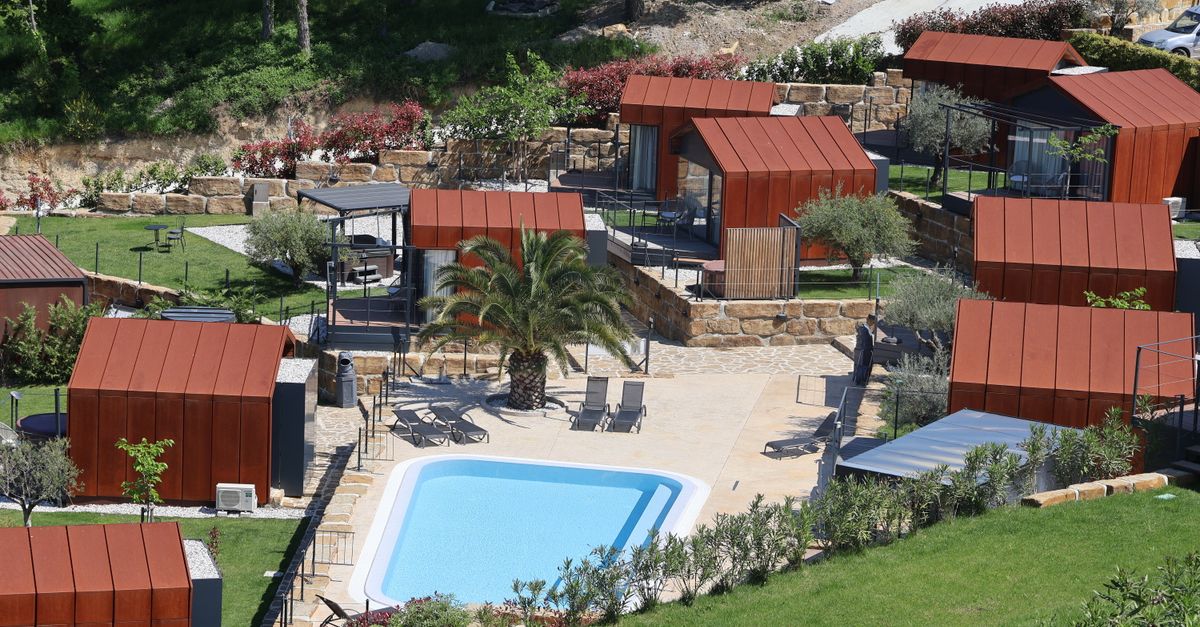
When you decide to turn your backyard into a personal oasis, the first hurdle is picking a builder who delivers quality without breaking the bank. This guide walks through every step—from understanding builder types to negotiating contracts—so you can make an informed decision that fits both your lifestyle and your budget.
1. Types of Pool Builders: Custom Spa & Pool, Family‑Friendly, Large-Scale
There are three primary categories of builders that often overlap but have distinct focuses:
- Custom spa and pool builders specialize in tailor‑made designs, offering unique shapes, materials, and integrated features like waterfalls or whirlpool jets.
- Family-friendly pool builders prioritize safety, durability, and child‑safe amenities such as slip‑resistant surfaces, low‑depth zones, and automatic covers.
- Large-scale pool projects handle extensive installations that may include multiple pools, expansive decks, or resort‑style layouts for larger properties.
Knowing which category aligns with your goals helps narrow the field. For most residential owners, a blend of custom design and family safety features is ideal; large‑scale builders are more relevant if you’re planning an entire backyard resort.
Design Flexibility in Custom Builders
Custom builders often provide a range of design options—from geometric pools with sharp angles to freeform “lawn‑style” shapes that blend seamlessly into your landscape. Because they work closely with architects or designers, you can incorporate niche features such as built‑in seating, integrated LED lighting zones, or even an adjoining hot tub without compromising the overall aesthetic.
Safety Standards in Family‑Friendly Builders
Builders who specialize in family pools frequently implement safety protocols that go beyond local regulations. They may install padded decking, self‑closing covers, and non‑slip surfacing that reduce slip hazards during winter or when kids are playing on the deck. Additionally, many offer “childproof” pool fences with automatic unlocking mechanisms to avoid accidental entrapment.
Scope Management for Large-Scale Projects
Large-scale projects usually involve complex logistics such as multiple permits, extensive grading, and coordinated landscaping. While they can deliver a resort‑like experience, the risk of cost overruns grows with scope. Choosing a builder experienced in multi‑pool sites ensures that timelines stay realistic and budgets remain transparent.
2. Key Evaluation Factors Before Hiring
When vetting potential contractors, consider these criteria:
- Licensing & Insurance: Verify state licensing and comprehensive liability coverage.
- Portfolio & References: Review past projects that match your desired style and ask for client testimonials.
- Experience with Similar Projects: A builder who has handled comparable budgets and designs will navigate challenges more smoothly.
- Transparent Pricing Structure: Ask for itemized estimates to avoid hidden fees.
- Communication & Project Management: Clear, regular updates reduce surprises during construction.
Licensing Nuances Across States
In some states, pool contractors must hold both a general contractor license and a specific plumbing or electrical certificate. Checking with your local licensing board can confirm whether the builder is authorized to perform all aspects of the job, which helps prevent costly delays if an unlicensed subcontractor is discovered mid‑project.
Insurance: Types and Limits
Beyond liability insurance, a reputable builder should carry workers’ compensation and, where applicable, environmental or property damage coverage. Ask for proof of each policy and verify the limits—especially if you’re planning an expansive deck or heavy equipment installation that could increase risk.
Reference Strategy
When speaking with past clients, probe beyond generic praise. Inquire about how promptly the builder addressed unexpected issues, whether the final cost matched the estimate, and how satisfied they were with the project timeline. A pattern of positive feedback across multiple references signals reliability.
3. Budget & Cost Breakdown
A realistic budget begins with understanding the primary cost drivers:
- Site Preparation: Excavation, grading, and drainage can account for 15–25% of total costs.
- Pool Shell Materials: Fiberglass, vinyl liner, or concrete shells vary from $30 to $70 per square foot.
- Equipment & Features: Pumps, heaters, lighting, and automation add 10–20% depending on complexity.
- Decking & Surrounds: Stone, pavers, or wood decks typically cost $15–30 per square foot.
- Labor: In most regions, labor ranges from 40–60% of the overall project budget.
In my experience, negotiating a fixed‑price contract that includes all major line items can protect against unexpected price hikes.
Permits and Local Fees
Most municipalities require permits for excavation, electrical work, and water connections. Permit fees vary widely—some cities charge a flat fee, others base it on pool size or depth. Including these costs in your initial estimate prevents last‑minute surprises when the city sends an invoice.
Utility Upgrades
If your existing electrical panel can’t handle additional load from pumps and heaters, you’ll need an upgrade. Similarly, if your water supply line is older or narrower than recommended for a new pool’s flow rate, it may require replacement. Factoring these utility costs up front keeps the budget realistic.
Maintenance Plan Costs
Many builders offer optional annual maintenance agreements that cover routine cleaning, chemical balancing, and equipment inspections. While not mandatory, budgeting for a yearly service can save you from costly repairs later—especially if you plan to keep the pool in use year after year.
4. Questions to Ask During Consultation
Every meeting should answer these critical questions:
- What is your projected timeline? Confirm milestone dates and potential delays.
- How do you handle change orders? Understand the process and cost implications.
- Can you provide a detailed, itemized quote? This ensures transparency.
- What warranties cover materials and labor? Verify coverage duration and claim procedures.
- Do you have a dedicated project manager? Consistency in communication reduces friction.
These questions surface hidden assumptions and clarify each party’s responsibilities.
Follow‑Up Inquiries on Design Flexibility
If the builder offers custom design, ask how many revisions are included before additional fees apply. Also, confirm whether they can incorporate your preferred color palette or feature set—such as a built‑in spa or an LED light show—without extra cost.
Contractual Clarity on Change Orders
A change order should list the item, reason for modification, new cost, and updated completion date. Request that all change orders be documented in writing to avoid disputes later.
5. Common Pitfalls and How to Avoid Them
Even seasoned homeowners fall into these traps:
- Underestimating Site Costs: Skipping grading or drainage assessments leads to costly rework.
- Overlooking Permits: Failure to secure necessary local permits can halt construction.
- Choosing the Cheapest Option: Low bids often cut corners on materials or labor quality.
- Ignoring Maintenance Plans: A pool is an ongoing investment; plan for cleaning and upkeep from day one.
- Skipping Written Agreements: Oral promises are unenforceable in disputes.
Mitigating these risks starts with thorough research and disciplined project management.
Hidden Labor Fees
Some contractors bill by the hour, which can inflate labor costs if unexpected complications arise. A fixed‑price contract—or at least a cap on hourly rates—provides more budget certainty.
Material Substitutions Without Consent
Builders sometimes substitute lower‑grade materials to reduce cost, especially when the homeowner is not present during construction. Ask for written approval before any material substitution occurs.
6. Building a Long‑Term Relationship With Your Builder
A reliable builder is more than a contractor; they become part of your home’s ecosystem. Here’s how to nurture that partnership:
- Establish Clear Communication Channels: Use shared project management tools or regular in‑person check‑ins.
- Document All Changes: Keep written records for every modification, no matter how small.
- Schedule Routine Inspections: Periodic reviews catch issues before they become costly.
- Provide Feedback Promptly: Address concerns immediately to prevent escalation.
- Show Appreciation: A simple thank‑you or positive review strengthens goodwill.
When trust is built, future upgrades or expansions are handled more efficiently and at better rates.
Leveraging the Builder for Seasonal Maintenance
Many builders offer seasonal check‑ins—spring opening and winter closing—that ensure equipment operates smoothly year over year. Arranging these appointments early in the contract can lock in discounted service rates.
Planning for Future Additions
If you anticipate adding a spa, a swim-up bar, or an outdoor kitchen later, discuss the potential impact on your pool’s footprint and drainage with your builder now. Early planning prevents costly design changes down the line.
7. Personal Experience: From Concept to Completion
In my experience, I started by drafting a detailed list of desired features—low‑depth zones for kids, an automated cover, and a solar heating system—to guide conversations with potential builders.I then narrowed the field to three local contractors based on licensing checks, portfolio reviews, and initial cost estimates. During site visits, I requested each builder’s project timeline and asked how they managed unexpected soil conditions—a common issue in my Nevada backyard.
After reviewing their proposals, I chose a custom spa and pool builder who offered a fixed‑price contract that included all major line items: excavation, concrete shell, deck materials, plumbing, and electrical. The builder provided a dedicated project manager, which streamlined communication.
The project finished two weeks ahead of schedule and 4% under budget. Post‑completion, I signed a maintenance agreement for annual inspections and cleaning services at a discounted rate because the builder had shown long‑term commitment.
This experience confirmed that transparency, rigorous vetting, and clear contracts are non‑negotiable for successful pool projects.
Concrete Shell vs. Fiberglass: A Decision Point
During my consultations, one contractor explained the trade‑offs between a poured concrete shell and a pre‑formed fiberglass hull. Concrete offers greater durability in colder climates but requires a longer curing period; fiberglass is quicker to install but can be more susceptible to surface damage if not properly protected.
Integrating Solar Heating Early
I requested that the builder include a solar collector panel as part of the initial design rather than an add‑on. This approach reduced the overall cost by 12% because the panels could be installed during the same excavation phase, avoiding a separate shutdown.
8. Conclusion
Choosing a budget‑friendly pool builder isn’t about finding the cheapest option; it’s about balancing cost, quality, safety, and long‑term support. By understanding builder types, rigorously evaluating candidates, dissecting cost components, asking the right questions, avoiding common pitfalls, and fostering lasting relationships, you can transform your backyard into a functional, enjoyable space that serves your family for years.
What was the biggest surprise you encountered during your pool project, and how did you handle it?


