
How to Build a Luxury Backyard Pool with Custom Waterfalls and Detailed Plans
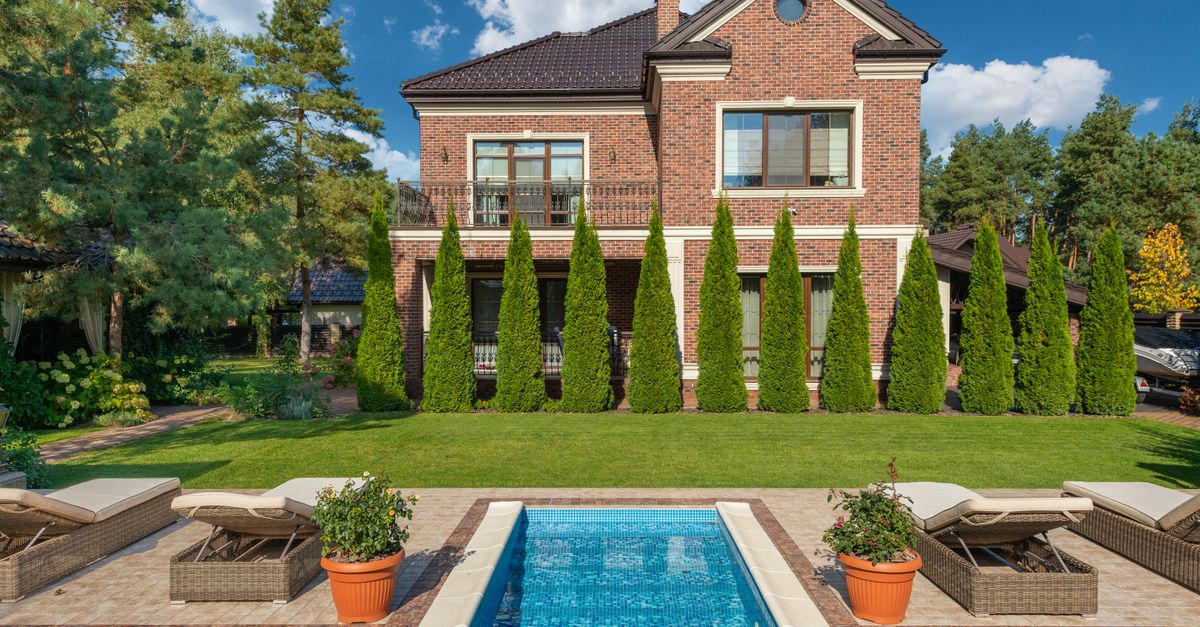
The idea of installing a luxury backyard pool is exciting, but the process can feel overwhelming without a clear roadmap. I’ll walk you through every stage—from assessing your space and budget to choosing materials, designing waterfalls, drafting construction plans, hiring contractors, and finishing touches—so that you end up with a tailored installation that meets your exact needs.
Understanding Your Backyard and Budget
Before you even think about digging, you need to evaluate the physical constraints of your property. A well‑planned pool starts with a realistic assessment of space, permits, and zoning regulations.
Assessing Space, Permits, and Zoning
Measure the dimensions of your yard and note any obstructions such as trees or existing structures. Contact your local building department to confirm setback requirements, required permits, and any homeowner association rules that may affect pool placement. It’s also helpful to obtain a topographic survey if your land has significant slope or drainage issues.
Key Factors for a Tailored Pool Design
- Lot size and shape
- Sun exposure and wind patterns
- Existing landscaping features
- Access to utilities (water, electricity)
- Future expansion possibilities
- Neighborhood aesthetics
Once you have the data, create a rough sketch of where the pool could sit. This draft will guide your budgeting and material choices.
Estimating Costs Early On
Luxury pools can vary widely in price, from $20,000 for a small above‑ground model to over $150,000 for a custom concrete masterpiece with integrated spa features. Break down the estimate into categories: excavation, shell, plumbing & electrical, finishes, landscaping, and contingencies (typically 10–15%). By allocating funds upfront, you reduce surprises when the contractor quotes their final price.
Choosing the Right Pool Type and Materials
Your vision for luxury can be realized through different construction methods. Each has its own cost implications, durability profile, and aesthetic potential.
In‑Floor vs Above‑Ground: Pros and Cons
An in‑floor pool offers a seamless look and is ideal for high-end properties but requires extensive excavation and longer lead times. An above‑ground installation is faster and cheaper but may compromise on the luxury feel unless you use premium shells.
Concrete, Fiberglass, Vinyl: Which Fits Your Luxury Vision?
Concrete pools provide the most flexibility in shape and allow for custom features like waterfalls or integrated spas. Fiberglass delivers a smooth finish with lower maintenance, while vinyl is cost‑effective but less suitable for elaborate designs.
Concrete: The Gold Standard of Customization
With concrete you can sculpt virtually any shape—an infinity edge, a curved pool that follows the slope of your yard, or a multi‑level design that incorporates a shallow lounging area. The material also accommodates complex plumbing routes for waterfalls, jets, and a built‑in hot tub.
Fiberglass: A Ready‑Made Elegance
Fiberglass shells come in pre‑formed shapes ranging from 25 to 45 feet long. They’re installed with minimal excavation and finished quickly, making them ideal for homeowners who want luxury without a lengthy construction timeline.
Vinyl: Budget Friendly but Limited
Vinyl liners are the most economical option, yet they lack the structural flexibility required for intricate waterfalls or custom shapes. If you’re willing to compromise on design detail, vinyl can still deliver a high‑end appearance with proper finishes and lighting.
Designing Custom Waterfalls and Features
The centerpiece of many luxury pools is a waterfall that adds visual drama and soothing sound.
Waterfall Styles and Placement
Choose from cascading tiers, plunge pools, or integrated spa jets. Position the fall to align with focal points such as your deck, lounge area, or garden beds. Consider how the water flow will interact with pool lighting for nighttime ambience.
Tiered Cascades vs Single Drops
A tiered cascade creates a layered effect that can be seen from multiple angles, while a single drop offers an uninterrupted splash that feels more dramatic. The choice depends on your yard’s view lines and the amount of space you have to allow water to fall safely.
Integrating Lighting, Sound, and Landscaping
LED strip lights hidden beneath the surface can create a twilight glow. Add waterproof speakers to play gentle music. Surround the waterfall with native plants that thrive in humid conditions; this not only enhances aesthetics but also helps regulate temperature.
Choosing Plant Species Wisely
Use moisture‑tolerant shrubs like bamboo, ferns, or hydrangeas near the waterline. These plants absorb excess humidity and provide a natural backdrop for your waterfall, creating a seamless transition between built and organic elements.
Water Flow Calculations
Determine the pump capacity required to maintain the desired flow rate while accounting for friction losses in piping and the height of the fall. A common rule of thumb is 1–2 gallons per minute per foot of waterfall drop. Consulting a hydraulic engineer ensures you’ll never experience a sluggish or overly forceful splash.
Creating Detailed Construction Plans
A meticulous blueprint is essential for avoiding costly mistakes and ensuring all stakeholders are on the same page.
Drafting Blueprints with CAD or 3D Software
I often use CAD to model every element of the pool, including depth variations, waterfall dimensions, and plumbing routes. The digital model lets me visualize how each component fits together before any digging starts.
Exporting Models for Contractor Review
Once your design is finalized in 3D, export the drawings as PDF or DWG files. This allows contractors to calculate material quantities accurately and spot potential clashes with existing utilities.
Sequencing the Build: Excavation, Shell, Plumbing, Finishes
The typical sequence is:
- Excavation and site preparation
- Installation of concrete shell or fiberglass liner
- Plumbing and electrical rough‑in for pumps, filters, and lighting
- Waterproofing and tile or plaster finishes
- Installing waterfall structure and spa elements
- Decking, landscaping, and final inspections
Each step should be completed before moving on to maintain structural integrity.
Quality Control at Each Stage
After excavation, verify that the trench depth matches your CAD plan. When installing the shell, check for evenness and proper curing times. Before sealing finishes, test plumbing connections with a pressure gauge to ensure there are no leaks.
Hiring Contractors and Managing the Project
The success of your pool depends largely on the people you bring on board.
Finding Qualified Builders and Inspectors
Ask for referrals from recent clients, check online reviews, and verify licensing. An inspector with experience in custom water features can catch potential design flaws early.
Evaluating Sub‑Contractor Specialties
A luxury pool often requires multiple specialists: a concrete contractor, a plumbing expert, an electrician, and a landscape designer. Confirm that each subcontractor has a track record of delivering high‑quality finishes on similar projects.
Monitoring Progress and Quality Checks
Schedule weekly site visits to ensure the excavation stays on plan and that plumbing aligns with your CAD model. Keep a written log of any deviations or changes for future reference.
Documenting Changes in Writing
When a contractor proposes an alteration—such as moving a drain or adjusting the waterfall height—document the change in writing, obtain approval, and update the construction documents accordingly. This protects you from hidden costs later on.
Finishing Touches: Decking, Safety, and Maintenance
A polished finish turns a functional pool into an inviting oasis.
Deck Materials and Edge Treatments
Choose slip‑resistant materials like composite decking or poured concrete. For a luxury feel, consider natural stone borders that complement the surrounding landscape.
Integrating Outdoor Living Spaces
Extend your deck into a shaded pergola area with built‑in seating and fire pit to create an all‑season retreat. The pool’s edge can be curved or straight depending on whether you want an intimate lounge feel or a dramatic, wide‑view setting.
Safety Features: Fencing, Alarms, Lifeguard Equipment
Install an automatic pool cover and motion‑sensing alarms for added safety. If you have children or pets, add a low‑profile fence with a self‑locking gate to prevent accidental entries.
Smart Pool Technology Integration
Consider installing a remote‑control system that lets you monitor water chemistry, adjust lighting, and even control the waterfall from your smartphone. This adds convenience and reduces routine maintenance headaches.
Troubleshooting Common Mistakes
Even the most meticulous plans can encounter hiccups. Here are frequent pitfalls and how to avoid them:
- Underestimating excavation depth—double‑check yard slope.
- Inadequate waterproofing—use multiple layers of membrane.
- Ignoring local regulations—verify permits before starting.
- Choosing low‑quality pumps—opt for energy‑efficient models to reduce long‑term costs.
The key takeaway: A luxury pool is a blend of precise planning, quality materials, and skilled execution. Each decision—from the type of shell to the placement of a waterfall—has lasting impact on performance, maintenance, and enjoyment.
What’s the most critical factor you consider when choosing a pool contractor for a custom backyard project?


