
How Do I Find the Best Pool Builders for Residential or Commercial Projects?
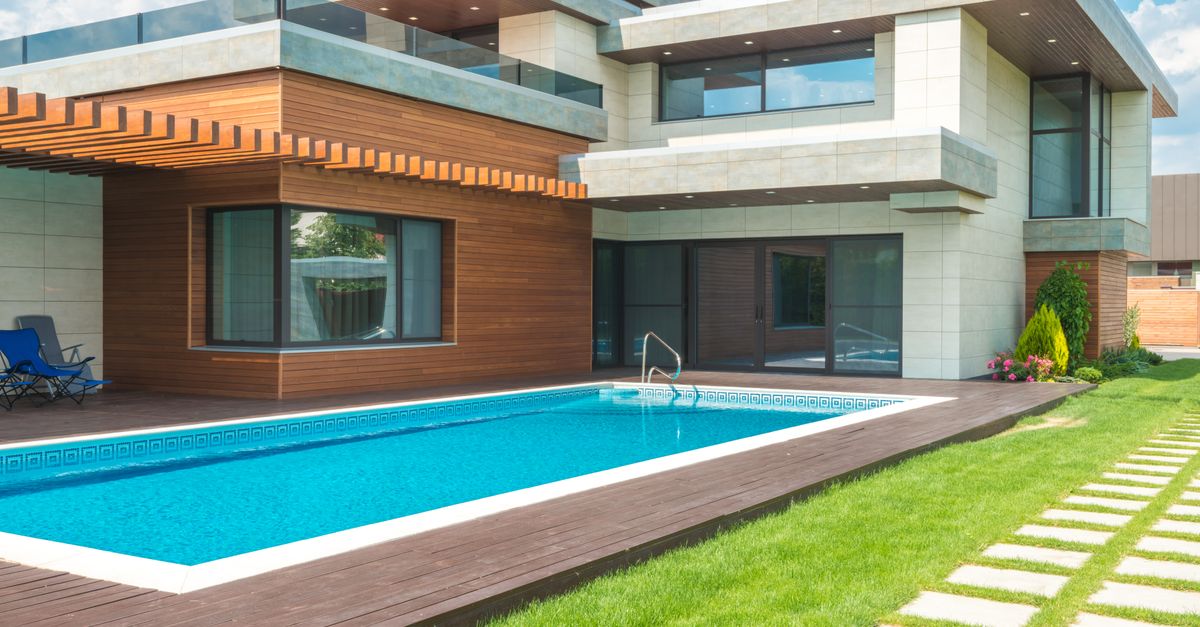
I’m often asked how to pick a pool builder, whether it’s a backyard oasis or an office complex. The choice of a pool builder is more than just a contract; it’s an investment that shapes your outdoor living space for years. The decision hinges on clear goals, proven experience, customization options, solid planning, and dependable maintenance. Below is a step‑by‑step guide that cuts through jargon and focuses on what matters most.
Choosing the right contractor can feel like navigating a maze of promises, estimates, and vague timelines. A misstep early in the process may lead to hidden costs, design compromises, or even safety issues down the line. When you approach this decision with a clear framework, the process becomes less overwhelming and more collaborative. By approaching the selection systematically—starting with your project’s purpose and ending with post‑construction support—you’ll build confidence that the final pool meets both your aesthetic desires and functional requirements.
1. Define Your Project Scope: Residential vs Commercial
Start by answering two questions:
- What’s the primary use? A backyard pool for family recreation differs from a commercial spa that must meet health‑code regulations and handle high foot traffic.
- Where is it located? “Pool builders near me” searches often surface local options, but if you’re building on a corporate campus, consider regional or national firms with experience in large‑scale installations.
If you plan a Residential pool planning project, the focus will be on aesthetics, safety features like fencing, and energy efficiency. For Commercial pool solutions, durability, compliance, and maintenance schedules take precedence. Clarifying these distinctions early prevents costly redesigns.
Beyond location and use, think about the timeline you need. Residential owners often prioritize a quick turnaround to enjoy summer, whereas commercial clients may align construction with business cycles or seasonal breaks. Setting realistic expectations for both parties helps keep the project on schedule and reduces conflict later. Timing is also critical; a residential owner might want a pool ready before the peak summer season, while a hotel or office may schedule construction during off‑peak periods to minimize guest disruption.
2. Evaluate Builder Experience and Reputation
A good builder demonstrates a track record of completed projects that match your scope. Ask for:
- Portfolio with similar residential or commercial examples.
- Client references willing to discuss timelines, budgets, and post‑completion service.
- Certifications from industry bodies such as the National Association of Pool & Spa Professionals.
A seasoned builder will have faced a variety of site challenges and can anticipate potential pitfalls. In my experience, builders who provide a detailed project timeline and transparent cost breakdown earn client trust faster than those that rely on vague estimates. A reputable company will also offer warranties covering structural defects for at least 10 years.
When reviewing references, pay attention to how the builder handled unexpected challenges—whether they communicated proactively or left you in the dark. Also verify that the contractor holds current liability insurance and a valid state license; these documents protect both parties if an accident occurs during construction. The depth of their post‑project support often reflects the quality of their initial craftsmanship.
3. Customization Options from Spa & Pool Builders
Whether you’re looking for a Custom spa and pool builders service or a standard kit, customization matters:
- Shape and size. L‑shaped or freeform pools can fit different yard layouts.
- Materials. Options range from concrete to fiberglass, each with distinct maintenance profiles.
- Features such as waterfalls, LED lighting, automated cleaning systems, or integrated spa jets.
- Accessibility—ramps and handrails for ADA compliance in commercial settings.
- Energy efficiency—solar heating panels or energy‑star pool pumps reduce operating costs.
Concrete pools offer unmatched flexibility for intricate shapes but require more time to cure and are susceptible to cracking if the subgrade isn’t properly prepared. Fiberglass shells come pre‑formed, allowing faster installation and a smoother finish, though they’re less adaptable to extreme custom shapes. Vinyl liners provide an inexpensive entry point and can be replaced every 7–10 years without major disruption. Choosing the right substrate also affects installation speed and future maintenance costs.
In addition to aesthetic choices, consider how each feature impacts long‑term water quality and energy usage. A well‑designed filtration system paired with efficient pumps can significantly reduce operating expenses over a pool’s lifespan.
4. Planning, Budgeting, and Construction Workflow
Once you’ve chosen a builder, the next step is meticulous planning:
- Site survey. Assess soil stability, drainage, and proximity to utilities.
- Permitting. Local codes vary; an experienced builder will handle applications.
- Design approval. Finalize plans with detailed drawings before excavation.
- Construction milestones. Track progress against a signed schedule to avoid surprises.
A well‑structured plan serves as both a roadmap for construction and a safeguard against unforeseen delays. Budgeting is often the biggest surprise. A typical residential pool costs between $35,000 and $70,000 depending on size and features; commercial projects can exceed $200,000 when factoring in compliance and higher‑grade materials. In my experience, setting a 10–15% contingency buffer protects against unforeseen site conditions or material price hikes. During the permitting phase, be prepared to provide additional documentation such as utility maps, environmental impact assessments, and sometimes even flood zone analyses if your project sits near a waterway. A builder who can navigate these regulatory hurdles efficiently saves you both time and potential fines.
During design approval, reviewing every detail with your builder can uncover hidden opportunities or potential cost savings. In many cases, an experienced builder will negotiate favorable rates with suppliers, passing on savings to the client.
5. Quality Assurance, Warranty, and Post‑Construction Care
A finished pool is only as good as its ongoing care plan. Ensure the builder provides:
- Warranty coverage. Structural integrity for at least 10 years; mechanical systems for a minimum of 5.
- Maintenance schedule. Regular cleaning, chemical balancing, and equipment inspections.
- Support for Commercial pool solutions, such as bulk water treatment or staff training on safety protocols.
The depth of a warranty often mirrors the builder’s confidence in their workmanship and materials. In my experience, builders who offer a post‑installation support contract reduce long‑term ownership costs by catching issues early. For commercial clients, an annual audit of safety systems and compliance reports is essential to avoid regulatory penalties.
When reviewing warranty terms, ask whether the builder covers not only structural defects but also surface finish issues like plaster crazing or liner tear. Clarify who is responsible for routine maintenance—some builders include a 12‑month cleaning package, while others simply provide guidance and a list of recommended service providers. For commercial operations, a streamlined maintenance program can translate into fewer downtime incidents and higher customer satisfaction.
What specific features would you prioritize for a residential pool versus a commercial spa, and why?By systematically addressing these elements—scope definition, experience assessment, customization depth, planning rigor, and after‑care commitments—you’ll position yourself to secure a pool that not only meets but exceeds your expectations.


