
How Do I Find a Budget‑Friendly Pool Builder That Delivers High‑Quality Custom Designs?
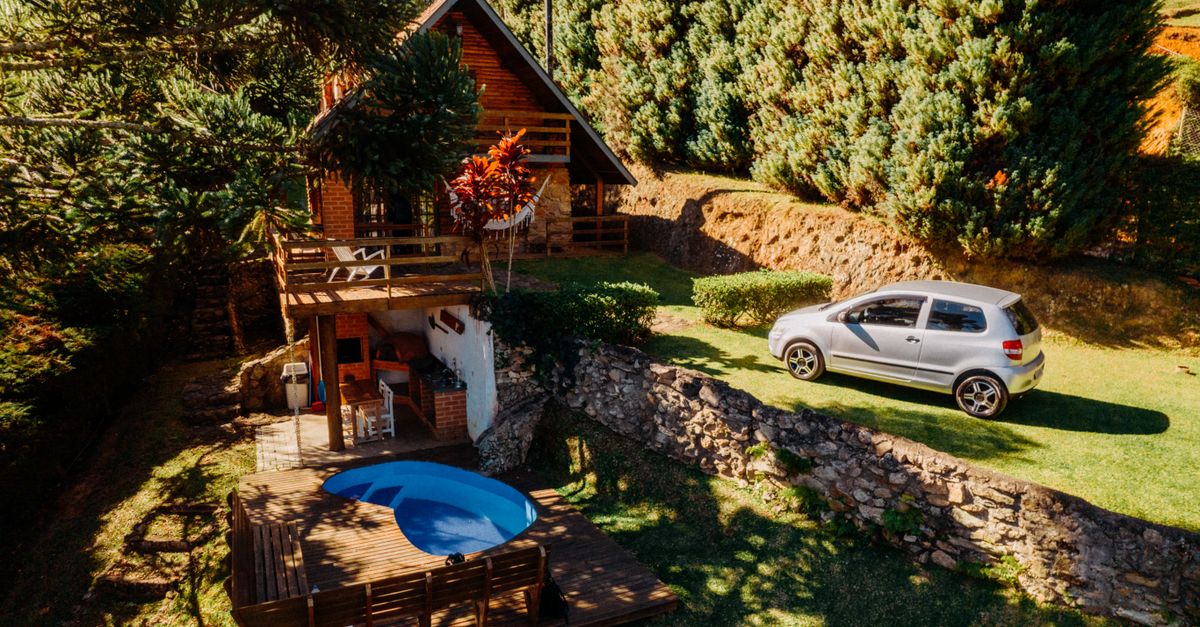
I’ve spent the past decade turning ideas into tangible products, and one of the most common client questions is how to build a custom pool without blowing the budget. Clients often worry that cutting costs will compromise safety or durability, so the key is to strike a balance between affordability and craftsmanship. The challenge isn’t just finding an affordable builder; it’s ensuring the final result meets safety standards, delivers the design you want, and stands up to high‑quality construction practices.
1. Clarify Your Pool Goals and Budget
Before contacting any contractor, write down three key objectives: type of pool (indoor or outdoor), primary use (recreation, exercise, aesthetic appeal), and a realistic budget range. Outdoor pools generally cost between $30,000 and $70,000 for standard concrete shells; indoor pools can exceed $100,000 due to HVAC and insulation needs. Knowing your financial ceiling helps narrow the field to builders who specialize in budget‑friendly projects. It also ensures you can prioritize must‑have features versus optional extras when negotiating costs.
2. Evaluate Builders: Budget-Friendly vs Premium
Not all affordable builders are created equal. Use these criteria to differentiate:
Key Evaluation Factors
- Experience with custom designs: Look for portfolios that show varied shapes, sizes, and finishes.
- Transparent pricing: Reputable firms provide itemized estimates and avoid hidden fees.
- Material options: Affordable builders often use cost‑effective concrete or vinyl liners; check if they offer premium upgrades.
- Warranty terms: A solid guarantee on construction defects is a sign of confidence.
- Client testimonials: Verify satisfaction with both budget and quality outcomes.
- Detailed project timeline: Ask for a schedule that outlines key milestones; this shows organization and helps avoid hidden delays.
A builder that excels in one area but falls short in another can cost more in the long run, especially if you need to make corrections later. When you receive multiple estimates, use a standardized worksheet so differences become transparent.
3. Design Your Custom Pool
The design phase determines how much of your vision will be achievable within budget. Start with a rough sketch or use free online tools to experiment with shapes—rectangular, L‑shaped, infinity edges, or even a lap pool for exercise.
Top 5 Custom Design Trends (2026)
- Low‑profile decks: Smaller deck areas reduce material costs while still providing a stylish look.
- Integrated lighting: LED strips along the perimeter or within the pool can be installed for under $1,000.
- Eco‑friendly liners: Recycled vinyl offers durability and lower upfront cost compared to fiberglass.
- Smart controls: Bluetooth‑enabled thermostats and pumps add convenience without a major price hike.
- Multi‑functional zones: Combine lounging, exercise, and water features into one footprint.
Discuss these options with your builder; many are willing to adjust the design to stay within budget while preserving quality. Working with a licensed designer can help translate your vision into precise drawings that the builder can use for accurate cost estimation. Many builders provide access to online mock‑up software, allowing you to see how changes in shape or depth affect both aesthetics and budget.
4. Indoor Pool Builders: Unique Considerations
Indoor pools demand additional infrastructure—HVAC, ventilation, and moisture control—that can double or triple costs. When selecting an indoor pool builder:
- Confirm they have experience with commercial‑grade HVAC systems.
- Ask about their approach to humidity mitigation (dehumidifiers, sealed windows).
- Check the building codes for indoor pools in your region; compliance can be a major cost driver.
While an indoor pool is inherently more expensive, a skilled builder will identify cost‑saving opportunities such as prefabricated panels or modular construction techniques. An experienced contractor will also assess your existing HVAC capacity and recommend upgrades that meet energy efficiency standards while staying within cost limits.
5. Pool Fencing and Barriers: Safety on a Budget
Safety barriers are non‑negotiable, yet they can strain the budget if not planned correctly. Choose materials that balance durability, cost, and aesthetics:
Best Barrier Solutions (Cost‑Efficient)
- Wire mesh fences with rubberized panels: Roughly $25–$35 per linear foot.
- Glass panels with built‑in locks: Slightly higher upfront ($45–$60 per foot) but offer a modern look and easy maintenance.
- Aluminum frames with vinyl coverings: Lightweight, corrosion‑resistant, around $30 per foot.
- Portable barriers for seasonal pools: Cost under $500; useful if you plan to move the pool or use it in multiple locations.
Verify that any barrier meets local safety codes—most states require a minimum height of 5 feet and self‑locking mechanisms. Always confirm that the chosen fence meets your state’s specific safety codes, including child‑proof mechanisms.
6. Ensuring High-Quality Construction: Red Flags & Best Practices
A budget builder can still deliver quality if you watch for these red flags:
- Lack of written contract: Every detail must be documented.
- No third‑party insurance: Builders should carry liability and worker’s compensation coverage.
- Inconsistent communication or vague timelines.
- Failure to provide a detailed project schedule with milestones.
- No clear site preparation plan: The builder should outline grading, excavation, and waterproofing steps before breaking ground.
Best practices include regular on‑site visits, asking for progress photos, and requesting a final walk‑through checklist. These steps help catch issues early when they’re cheaper to fix.
7. Cost Breakdown & Financing Options
Typical cost ranges (2026) for a mid‑size custom pool are:
- Concrete shell: $35,000–$55,000
- Vinyl liner upgrade: +$5,000–$10,000
- Lighting and plumbing: +$3,000–$7,000
- Finishing touches (tiles, coping): +$4,000–$8,000
- Fence/barrier: $2,500–$5,000
Financing options include:
- Home equity lines of credit (HELOCs): Often offer low rates.
- Builder financing programs: Some firms partner with lenders to provide 6‑month interest‑free periods.
- Personal loans: Useful if you need a quick solution but be wary of higher APRs.
An example calculation: a 20 ft × 35 ft pool (700 sq ft) with a concrete shell at $55 per square foot would cost about $38,500 before finishes. Adding a vinyl liner (+$8,000), lighting ($4,500), and fencing ($3,000) brings the total to roughly $54,000. Setting aside 12% of that—about $6,500—as contingency covers unforeseen soil or permitting issues.
8. Common Mistakes to Avoid When Hiring a Builder
- Choosing the lowest bid outright: A low initial quote often means cheaper materials or rushed work that may require costly fixes later. Scrutinize what’s included in the price.
- Skipping reference checks: Contact former clients to verify on‑time delivery, budget adherence, and quality workmanship; it also reveals recurring problems.
- Overlooking hidden costs (permits, inspections).
- Failing to confirm all required warranties are in writing.
- Not setting clear project milestones in the contract.


