
How Do I Build a Resort‑Style Outdoor Pool With a Deck That Lasts?
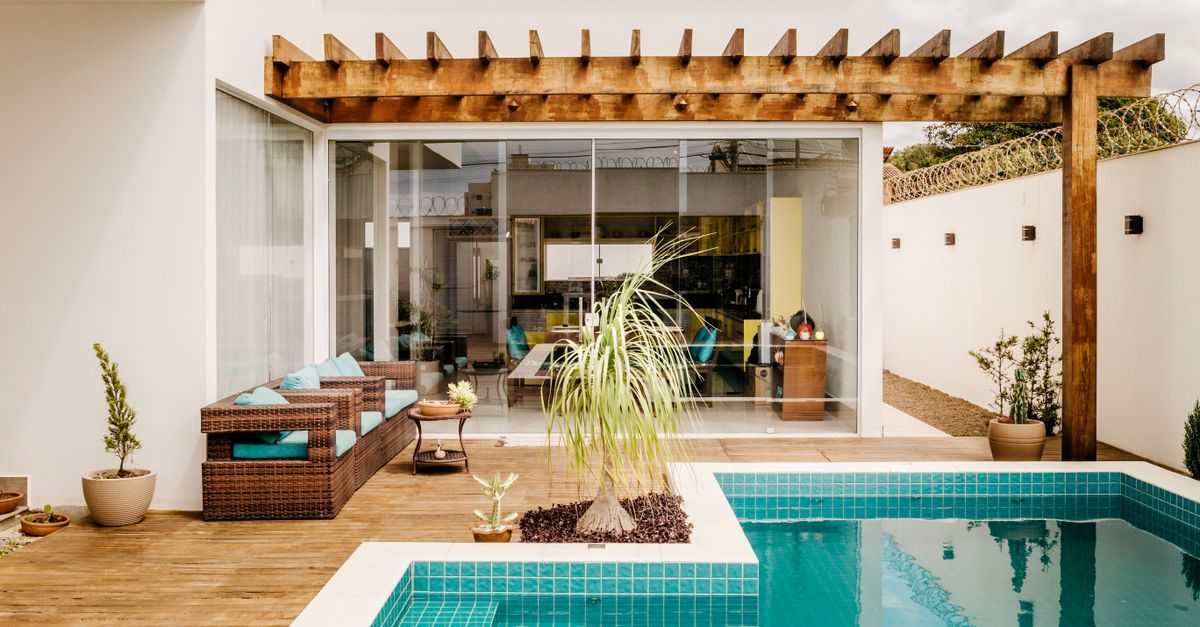
When you’re planning an outdoor pool, the focus is usually on the water itself. In practice, most homeowners overlook the surrounding deck, the contractor’s expertise, and how smart systems can save time and money. I’ve spent years designing pools for clients who want a resort‑style experience without the hotel price tag. Below, I break down everything you need to know—contractor selection, construction steps, automation options, cost planning—and give real‑world advice from my own projects.
Why A Resort‑Style Pool Is Worth the Investment
A resort‑style pool isn’t just a big body of water; it’s an ecosystem that blends aesthetics, functionality, and comfort. By investing in high‑quality construction and smart automation, you create a space that feels premium while remaining cost‑effective over time.
Key benefits
- Higher resale value: A well‑designed pool can add 5–10% to your home’s market price.
- Year‑round enjoyment: Features like heated pools, spa jets, and ambient lighting extend usability beyond summer.
- Lower maintenance costs: Durable materials and automation reduce manual labor.
- Energy efficiency: Modern filtration systems and solar options cut electricity usage.
When you view the pool as a long‑term asset, the upfront cost becomes an investment rather than an expense. Many homeowners discover that the added convenience and prestige of a resort‑style layout actually pay for themselves after just a few years through reduced maintenance fees and increased property appeal.
Selecting a Premium Pool Contractor
The quality of your contractor determines every other decision. A premium contractor brings experience, local knowledge, and a portfolio that demonstrates consistency. I’ve worked with dozens, but only a few meet my strict criteria.
What to look for
- Licensed and insured: Verify state credentials and insurance coverage.
- Specialization in resort‑style design: Look at past projects featuring luxury decks, custom tiles, or integrated lighting.
- Transparent pricing: A detailed estimate with line items prevents hidden fees.
- Positive reviews from reputable sites: Cross‑check Google, Yelp, and Houzz for consistency.
- Strong supplier relationships: Access to premium materials at better rates.
- Post‑construction support: Warranty on workmanship and equipment.
Ask each candidate these questions before signing. A contractor who answers confidently and with evidence is likely the right fit. It’s also worthwhile to request a site visit to a recent project; seeing their work in person can give you confidence that they handle details the way you expect.
Fundamentals of Outdoor Pool Construction
The construction process can be broken into four phases: site prep, excavation & plumbing, structure & finishes, and final inspection & landscaping. Understanding each phase helps you track progress and budget accurately.
Construction phases in order
- Site preparation: Clearing vegetation, grading the area for drainage.
- Excavation & plumbing: Digging the pool pit, installing sump pumps, water lines, and chemical feeders.
- Structure & finishes: Building the shell (concrete or fiberglass), tiling, decking installation.
- Inspection & landscaping: Final safety checks, adding plants, pathways, and lighting.
Each phase requires coordination among architects, engineers, and subcontractors. I recommend a project manager to keep the schedule on track. Early in the process, you’ll need to secure permits; local municipalities often require a review of drainage plans and structural calculations before work can begin. Soil testing is another critical step—poor soil composition can lead to settling or cracking if not addressed with proper reinforcement.
Pool Deck Construction Essentials
A deck is the gateway to your pool. It should complement the water’s design while providing safety and durability. When selecting materials, consider slip resistance, maintenance needs, and aesthetic match.
Common deck materials & pros/cons
- Concrete: Customizable shapes; requires sealing every few years.
- Composite boards: Low maintenance, weather‑resistant; higher upfront cost.
- Stone or pavers: Natural look; can be uneven if not installed correctly.
- Wood (cedar, redwood): Warm feel; requires regular sealing and is susceptible to rot.
- Recycled plastic: Eco‑friendly; durable but may look generic.
In my recent project, we chose a composite deck with an integrated drainage layer. The result was low maintenance and quick installation—exactly what a busy family needs. A well‑planned deck should also include a gentle slope away from the pool for safety, as well as non-slip finishes that remain effective even when wet.
Integrating Pool Automation Systems
Smart automation turns routine tasks into automated workflows. From water quality monitoring to lighting schedules, the right system can save you time and reduce operational costs.
Must‑have features in a pool automation suite
- Mobile control: App access for remote adjustments.
- Automated chemical balancing: Sensors that adjust pH, chlorine, or salt levels.
- Smart scheduling of heating and lighting to cut energy usage.
- Integration with home automation platforms (e.g., Alexa, Google Home).
- Real‑time alerts for maintenance issues (e.g., filter overload).
- User roles that allow family members different access levels.
When I evaluated systems last year, the top choice offered a low‑power Bluetooth module and an intuitive interface. The result? A 15% drop in energy bills after just six months of use. Beyond cost savings, these systems provide peace of mind: if a sensor detects a spike in chlorine levels or a filter clog, you’re notified immediately, allowing you to act before a minor issue becomes major.
Budgeting: Cost Breakdown for Premium Pools
Understanding the cost structure helps you avoid surprises. Below is a typical range for key elements, based on recent market data in 2026.
Estimated costs per component
- Pool shell (concrete): $30–$45 per square foot.
- Decking (composite): $15–$25 per square foot.
- Automation system: $2,500–$5,000.
- Landscaping & lighting: $10,000–$20,000 depending on scope.
These figures exclude labor, which typically accounts for 35–45% of the total project cost. Always ask for a detailed line item estimate to verify each expense. It’s also wise to set aside a contingency—often around 10% of the projected budget—to cover unexpected site conditions or material price changes.
Common Mistakes and How to Avoid Them
Even seasoned homeowners fall into traps that inflate costs or compromise safety. Being aware of these pitfalls can save you time, money, and headaches.
Top five mistakes
- Underestimating site preparation: Skipping grading leads to future drainage problems.
- Choosing the wrong contractor early: A quick quote may hide quality compromises.
- Ignoring local zoning regulations: Non‑compliance can delay or halt your project.
- Forgetting about long‑term maintenance: Cheap materials often mean higher upkeep costs later.
- Poor integration of automation: Disconnected systems waste energy and data.
By addressing these issues upfront, you’ll keep the project on schedule and within budget. For example, confirming that your contractor has experience navigating local permitting can prevent costly delays when the municipality requests additional documentation or modifications.
Maintenance Plan for Long‑Term Value
A resort‑style pool should feel like a vacation spot every day. Regular maintenance keeps water safe, equipment efficient, and aesthetics pristine.
Routine tasks (weekly/monthly)
- Weekly: Skim debris, check chemical levels, inspect filtration.
- Monthly: Clean the skimmer basket, run a shock treatment, test pool temperature settings.
- Quarterly: Inspect deck seams for cracks, flush plumbing lines, calibrate sensors.
- Annually: Replace filters if needed, perform a comprehensive system audit.
Automated alerts from your pool system can remind you of each step. When I set up a calendar sync, my family never missed a maintenance window. Over time, consistent care not only preserves the visual appeal but also extends the life of expensive components like pumps and heaters.


